

You’re a modern professional, a discerning individual who understands that in today’s digital landscape, user experience isn’t just a buzzword – it’s the bedrock of success. Whether you’re designing an application, managing a corporate network, or simply trying to get work done efficiently, the underlying technology infrastructure profoundly impacts how you and your users interact with the digital world. Gone are the days when clunky, slow connections were an accepted part of the deal. Now, you demand seamless, instantaneous, and intuitive interactions. This article will guide you through the transformative power of modern networking technologies in achieving precisely that – an elevated user experience.
Before delving into the technicalities, it’s crucial to acknowledge what user experience (UX) truly means in the context of networking. You might think of UX primarily in terms of a sleek interface or intuitive software design. While these are vital components, a significant portion of UX is quietly orchestrated by the network.
The Invisible Hand of Network Performance
Imagine you’re trying to access a critical document, stream a high-definition video, or participate in a video conference. If the network is slow, unreliable, or suffers from high latency, your frustration mounts regardless of how beautifully designed the application is. You experience lag, dropped calls, endless buffering – these are all direct reflections of the network’s performance.
Beyond Speed: Reliability and Security
It’s not just about speed. You also expect a reliable connection, one that doesn’t drop unexpectedly or require constant reboots. Furthermore, in an age of pervasive cyber threats, you demand a secure environment where your data and privacy are protected. A compromise in security, even if the network is fast, shatters user trust and degrades the overall experience.
In exploring how modern networking technologies enhance user experience, it’s also essential to consider the security aspects that underpin these advancements. A related article that delves into this topic is “Top 5 Security Features Your Web Host Should Offer in 2023,” which discusses critical security measures that can protect user data and maintain trust in online services. You can read more about these important features by following this link: Top 5 Security Features Your Web Host Should Offer in 2023.
The Pillars of Enhanced User Experience: Modern Networking Technologies
Now, let’s explore the specific technologies that are revolutionizing how you and your users interact with digital services. These aren’t just incremental improvements; they represent a fundamental shift in network design and capabilities.
5G: The Era of Blazing Fast Mobile Connectivity
You’ve undoubtedly heard the hype surrounding 5G, and for good reason. This fifth generation of cellular technology isn’t just faster 4G; it’s a paradigm shift, unlocking new possibilities for user experiences that were previously unattainable.
Ultra-Low Latency for Real-time Interactions
One of the most significant advancements 5G brings is its incredibly low latency. Imagine participating in a virtual reality meeting where your interactions feel as natural as if you were in the same room, or controlling remote machinery with pinpoint accuracy. This near real-time responsiveness fundamentally changes how you can interact with digital content and connected devices.
Massive Bandwidth for Data-Intensive Applications
With 5G, you gain access to unprecedented bandwidth, allowing you to stream 4K or even 8K content without buffering, download massive files in seconds, and experience augmented reality (AR) applications with rich, detailed graphics. This capacity supports a richer, more immersive digital experience for you and your users.
Network Slicing for Tailored Service Experiences
5G introduces the concept of network slicing, a powerful capability where a single physical network can be virtually partitioned into multiple independent logical networks. This means you can create dedicated network slices optimized for specific services, guaranteeing quality of service (QoS) for critical applications. For example, a slice could be dedicated to autonomous vehicles requiring ultra-reliable low-latency communication, while another could be for enterprise applications with guaranteed bandwidth. This ensures that different users and applications receive the network performance they need, enhancing their individual experiences.
Wi-Fi 6/6E: Unlocking Superior Indoor Connectivity
While 5G dominates the outdoor mobile narrative, Wi-Fi 6 (802.11ax) and its extended version, Wi-Fi 6E, are transforming your indoor networking experience. You’ve likely encountered crowded Wi-Fi networks in offices, homes, or public spaces, leading to frustrating slowdowns. Wi-Fi 6 is designed to combat precisely these issues.
Enhanced Performance in Densely Populated Areas
Wi-Fi 6 utilizes technologies like Orthogonal Frequency Division Multiple Access (OFDMA) and Multi-User Multiple Input Multiple Output (MU-MIMO) to efficiently handle multiple devices simultaneously. This means that even with numerous users streaming, gaming, or video conferencing on the same network, you experience significantly less congestion and a smoother, more responsive connection.
Reduced Latency for Responsive Applications
Similar to 5G, Wi-Fi 6 also focuses on reducing latency, which is critical for real-time applications like online gaming, video conferencing, and VR/AR experiences. You’ll notice a more immediate response from your devices, making interactions feel more fluid and natural.
Improved Battery Life for Mobile Devices
Target Wake Time (TWT) is another clever feature of Wi-Fi 6. It allows devices to negotiate when and how often they’ll wake up to send or receive data, minimizing unnecessary power consumption. This translates to longer battery life for your smartphones, laptops, and IoT devices, enhancing your overall mobile experience. Wi-Fi 6E extends these benefits into the 6 GHz band, offering even more uncrowded spectrum for faster, more reliable connections, especially in high-density environments.
Software-Defined Networking (SDN) and Network Function Virtualization (NFV): Agile and Responsive Networks
You might not directly interact with SDN or NFV, but their impact on your digital life is immense. These technologies are fundamentally changing how networks are built, managed, and optimized, leading to more agile and responsive infrastructures.
Centralized Control for Dynamic Resource Allocation
SDN separates the network’s control plane from its data plane, allowing you to manage network resources from a centralized controller. This means you can dynamically adjust bandwidth, prioritize traffic, and configure network policies with unprecedented flexibility. Imagine instantly allocating more bandwidth to a critical video conference during peak hours or isolating a suspicious traffic flow – these capabilities directly translate to a more reliable and optimized experience for your users.
Rapid Service Deployment and Scalability
NFV virtualizes network functions that traditionally run on dedicated hardware, such as firewalls, load balancers, and routers. By running these functions as software on commodity servers, you can deploy new network services much faster and scale them up or down on demand. This agility means that as user needs evolve, the network can adapt swiftly, delivering new features and capabilities without lengthy hardware procurement and installation processes.
Enhanced Security Posture
With SDN and NFV, you gain greater visibility and control over your network traffic. This allows for more granular security policies, rapid threat detection, and automated responses, ultimately creating a more secure environment for you and your users. You can enforce micro-segmentation, isolating different parts of your network to prevent lateral movement of threats, and dynamically adapt security measures in real-time.
Edge Computing: Bringing Processing Closer to the User
The traditional model of sending all data to a centralized cloud for processing has its limitations, especially for applications demanding ultra-low latency. Edge computing addresses this by bringing computation and data storage closer to the source of data generation – to the “edge” of the network.
Drastically Reduced Latency for Real-time Applications
When processing happens at the edge, data doesn’t have to travel long distances to a central data center and back. This dramatically reduces latency, making real-time applications like autonomous vehicles, industrial automation, and live video analytics incredibly responsive. You’ll experience virtually instantaneous feedback, eliminating the delays that can plague centralized cloud solutions.
Improved Bandwidth Utilization
By processing data at the edge, you reduce the amount of raw data that needs to be transmitted to the cloud. This conserves bandwidth, especially beneficial for IoT devices generating vast amounts of data. It means your network resources are used more efficiently, contributing to overall better performance for all users.
Enhanced Data Security and Privacy
Processing sensitive data closer to its source can reduce the risk of data breaches during transit to the cloud. For applications dealing with personal or proprietary information, edge computing offers an additional layer of security and can help meet stringent regulatory compliance requirements, reassuring users about the safety of their data.
The Interplay: Creating a Holistic User Experience
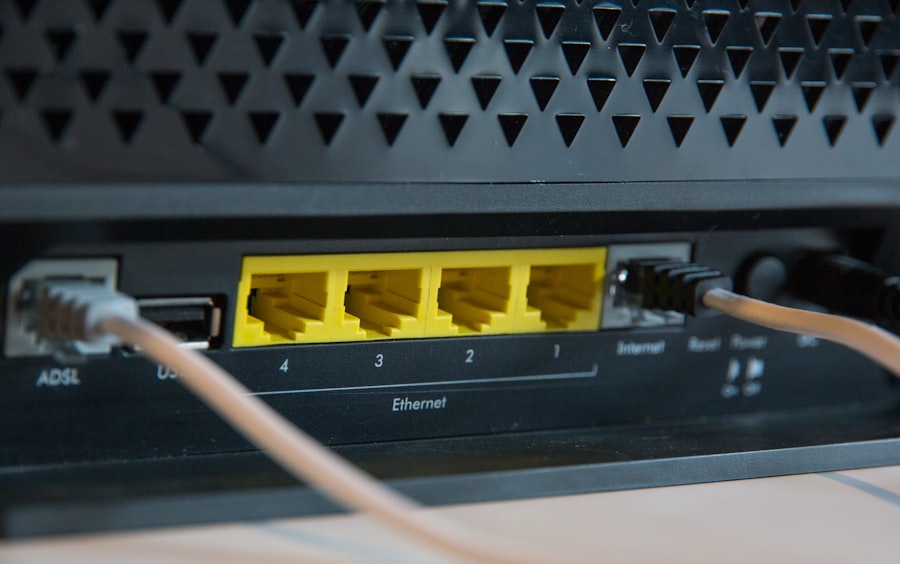
It’s important to understand that these technologies don’t operate in isolation. You’ll see their true power unleashed when they converge and complement each other, creating a dynamic, self-optimizing network.
The Synergistic Relationship of 5G, Wi-Fi 6, and Edge Computing
Imagine a smart factory where 5G provides reliable, low-latency connectivity for mobile robots and sensors, while Wi-Fi 6 ensures robust communication for high-density applications on the factory floor. Edge computing platforms within the factory process sensor data in real-time, enabling immediate control actions and predictive maintenance. This intricate dance of technologies creates an operational environment where you experience seamless automation, minimal downtime, and enhanced safety.
AI and Machine Learning for Proactive Network Optimization
Modern networks aren’t just faster; they’re smarter. You’re increasingly leveraging Artificial Intelligence (AI) and Machine Learning (ML) to monitor network performance, predict potential issues, and proactively optimize network resources.
Predicting and Preventing Outages
AI algorithms can analyze vast amounts of network data to identify patterns and anomalies that indicate impending problems. This allows you to address issues before they impact users, transforming your network management from reactive to proactive. Imagine your network automatically adjusting traffic routes to avoid a congested path before you even notice slow performance.
Dynamic Bandwidth Allocation and Traffic Prioritization
ML models can learn user behavior and application requirements, then dynamically allocate bandwidth and prioritize traffic based on real-time needs. This ensures that critical applications always receive the necessary resources, even during peak usage times, guaranteeing a consistent and high-quality user experience.
Automated Security Response
AI-powered security systems can detect and respond to threats in real-time, often before human intervention is possible. This means you have a continuously adapting defense mechanism safeguarding your network and your users’ data, providing a layer of protection that modern cyber threats demand.
The Future You’ll Experience: A Seamless Digital Tapestry
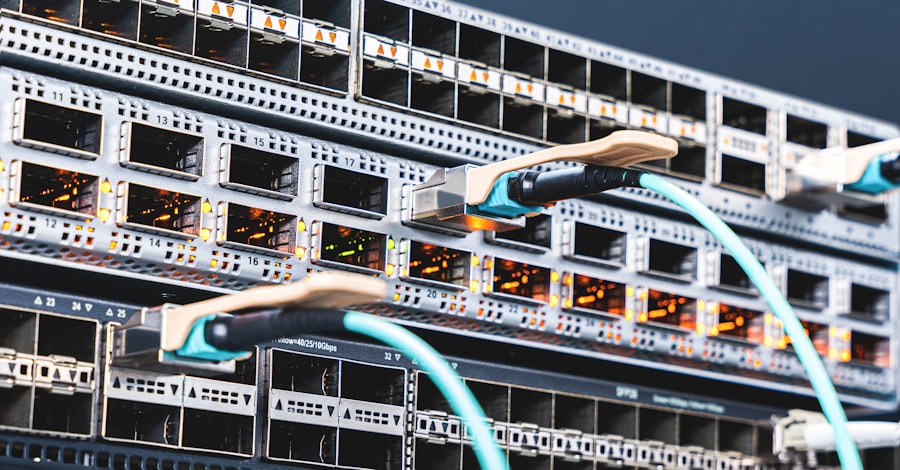
As these modern networking technologies mature and intertwine further, you can expect an even more profound impact on your user experience.
Immersive and Pervasive Digital Interactions
You’ll witness a surge in truly immersive experiences through VR and AR applications, no longer tethered by slow connections. From remote surgery to interactive educational platforms and hyper-realistic gaming, the lines between the physical and digital worlds will blur. The network will be the invisible enabler of these rich, multi-sensory interactions.
Hyper-Personalized Services and Contextual Awareness
Your network will become incredibly intelligent, understanding your context and preferences. Imagine a network that automatically adjusts quality of service for your streaming video when you enter a congested area, or prioritizes your work applications when it detects you’re in a meeting. This level of personalization will make your digital interactions feel incredibly intuitive and tailored to your specific needs.
Always-On, Always-Secure Connectivity
The goal is a network that is so reliable and secure that you barely notice its presence – it simply works, seamlessly and constantly. You’ll have unwavering trust in your connection, knowing that your data is protected and your applications will perform exactly as expected, no matter where you are or what device you’re using.
In the ever-evolving landscape of technology, understanding how modern networking technologies enhance user experience is crucial for businesses aiming to stay competitive. A related article discusses the benefits of hybrid hosting solutions, which combine the power of US infrastructure with local support in Lahore, ultimately improving performance and reliability for users. For more insights on this topic, you can read the article on hybrid hosting solutions here.
Your Role in Shaping the Future UX
| Networking Technology | Improvement |
|---|---|
| 5G | Higher data transfer speeds, lower latency, and improved connectivity |
| Wi-Fi 6 | Increased network capacity, faster speeds, and better performance in crowded areas |
| Software-Defined Networking (SDN) | Centralized network management, improved agility, and better resource allocation |
| Edge Computing | Reduced latency, improved data processing, and better user experience for real-time applications |
You, as a professional, have a critical role to play in leveraging these technologies. Whether you are an IT manager, a software developer, a business leader, or a product designer, understanding these networking advancements allows you to:
- Design better applications: Develop applications that exploit the full potential of low latency and high bandwidth.
- Optimize operations: Ensure your organizational networks are configured to maximize efficiency and user satisfaction.
- Innovate new services: Imagine and deliver new digital experiences that were previously impossible.
- Advocate for infrastructure: Understand the importance of investing in modern networking to stay competitive and delight your users.
The journey towards an ultra-responsive, secure, and intuitive digital experience is ongoing. By embracing modern networking technologies like 5G, Wi-Fi 6/6E, SDN/NFV, and edge computing, and integrating them with AI and ML, you’re not just building faster networks – you’re crafting the foundation for a truly exceptional user experience in the digital age. You are helping to create a world where technology empowers, rather than hinders, human potential and interaction. Embrace this transformation, and you’ll put yourself and your users at the forefront of the connected revolution.
FAQs
What are some modern networking technologies that improve user experience?
Some modern networking technologies that improve user experience include software-defined networking (SDN), network function virtualization (NFV), edge computing, and intent-based networking.
How does software-defined networking (SDN) improve user experience?
SDN improves user experience by allowing for centralized network management, automation of network tasks, and the ability to quickly adapt to changing network conditions.
What is network function virtualization (NFV) and how does it enhance user experience?
NFV is the virtualization of network functions such as firewalls, load balancers, and routers. This enhances user experience by increasing network agility, scalability, and reducing the need for physical hardware.
How does edge computing impact user experience?
Edge computing brings computing resources closer to the user, reducing latency and improving response times for applications and services, ultimately enhancing user experience.
What is intent-based networking and how does it benefit user experience?
Intent-based networking uses machine learning and automation to translate business intent into network policies, making it easier to manage and optimize network performance, ultimately improving user experience.








Add comment