
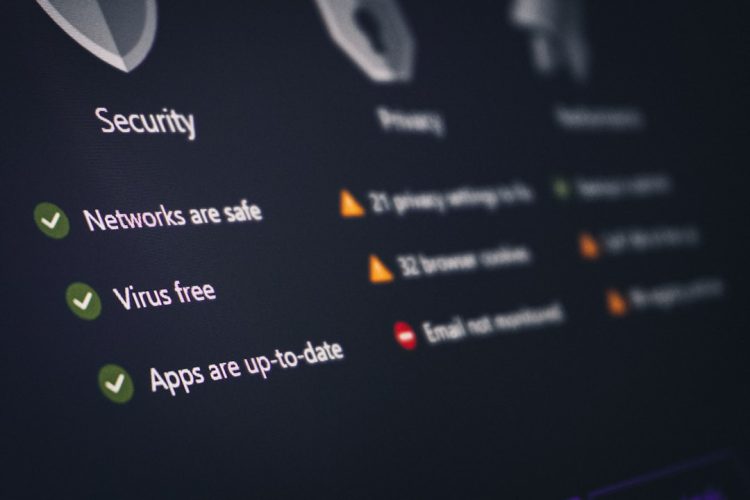
You’re staring at the screen, a knot of anxiety tightening in your stomach. Your business runs on WordPress, and the thought of a security breach is enough to keep you up at night. You know how vital your website is, how much it means to your customers and your bottom line. The idea of it being compromised – defaced, held for ransom, its data stolen – is a nightmare you can’t afford to ignore. But where do you even begin with WordPress security? It feels like a vast, complex landscape, and you’re just trying to keep your digital storefront running smoothly.
That’s where I, your trusty Listicle Content Architect (LCA), come in. I’ve sifted through the noise, analyzed the threats, and distilled the absolute essentials into this actionable guide. You don’t need to be a cybersecurity guru to protect your WordPress site. You just need to understand the most effective strategies and implement them consistently. Think of me as your guide, breaking down the intimidating world of WordPress security into manageable, impactful steps. We’re going to equip you with the knowledge to build a robust defense, not just react to an attack.
This isn’t about overwhelming you with jargon or obscure technicalities. It’s about empowering you with practical, proven best practices that any business, from a small startup to a growing enterprise, can leverage. We’ll cover everything from the foundational steps to ongoing vigilance, ensuring your WordPress site is a secure fortress for your business and your customers. So, take a deep breath. You’re about to gain the clarity and confidence you need to solidify your digital defenses.
1. Establish a Robust Login and Access Control Strategy
Your WordPress login page is the front door to your entire website. If that door is easily kicked in, everything inside is vulnerable. This is where you need to be incredibly diligent. It’s not just about choosing a strong password, though that’s a crucial starting point. We’re talking about building multiple layers of defense around who can access your site and how they do it. Think of it like securing a bank vault – you wouldn’t just have one lock, would you?
Why This Matters: The Vulnerability of Default Credentials
We’ve all seen it. Default usernames like “admin” and weak, easily guessable passwords are like leaving your keys under the doormat. Hackers have sophisticated tools that can cycle through thousands, even millions, of common username and password combinations in a matter of minutes. The sheer volume of automated attacks targeting WordPress sites means that if you’re using anything less than highly secure credentials, you’re practically inviting trouble. Your business deserves better than that.
Implementing Strong Passwords and Beyond
- The Strength of Your Password: This is non-negotiable. We’re not talking about “password123” or your dog’s name. Aim for a combination of at least 12-16 characters, including uppercase and lowercase letters, numbers, and symbols. Consider using a password manager to generate and store these complex passwords securely. It helps you avoid the temptation to reuse passwords, which is a major security risk.
- Beyond the Default Username: If you still have a user with the username “admin,” change it immediately. Create new administrator accounts with unique, strong usernames. This removes one of the most targeted pieces of information for brute-force attacks.
- Limit Login Attempts: This is a game-changer. By limiting the number of failed login attempts allowed from a specific IP address or username, you effectively shut down brute-force attacks before they can succeed. There are excellent plugins available that can automatically block IP addresses after a certain number of failed attempts, saving you the hassle of manual intervention.
- Two-Factor Authentication (2FA): The Extra Layer of Security: This is perhaps the single most impactful security measure you can implement. 2FA requires users to provide two or more verification factors to gain access to a resource. This typically involves something you know (your password) and something you have (a code from your phone or an authenticator app). Even if a hacker obtains your password, they still won’t be able to log in without the second factor. It’s a simple yet incredibly effective way to vastly improve your login security.
- Role-Based Access Control: Not everyone in your organization needs full administrator privileges. WordPress allows you to assign different user roles (e.g., Editor, Author, Subscriber) with varying levels of permissions. Granting users only the access they need to perform their job functions significantly reduces the attack surface. If a commentator’s account is compromised, they can’t delete entire posts or change critical settings.
When considering WordPress security monitoring best practices for businesses, it’s essential to stay informed about the broader landscape of web hosting security. A related article that provides valuable insights is titled “Is Your Shared Hosting Plan Protecting Your Data? The 2025 Security Checklist.” This article outlines critical security measures that every business should consider to safeguard their data in a shared hosting environment. You can read it here: Is Your Shared Hosting Plan Protecting Your Data? The 2025 Security Checklist.
2. Keep Your WordPress Core, Themes, and Plugins Up-to-Date
Think of your WordPress installation, along with its themes and plugins, as a complex piece of machinery. Like any machine, it requires regular maintenance to function optimally and to prevent breakdowns. In the digital realm, this maintenance is synonymous with updating. Developers constantly identify and patch vulnerabilities, and staying current is your primary defense against known exploits.
The Ever-Evolving Threat Landscape
The digital world is a constant game of cat and mouse. Vulnerabilities are discovered daily – in WordPress core, in popular themes, and in the vast ecosystem of plugins. When a vulnerability is discovered, malicious actors actively seek out websites that haven’t patched their systems. They exploit these weaknesses to gain unauthorized access, inject malware, or steal data. Ignoring updates is akin to leaving your house unlocked after reading news reports about a string of burglaries in your neighborhood.
The Update Strategy You Need
- Automate Where Possible, But Be Mindful: WordPress offers automatic updates for minor core releases and security patches. You should absolutely enable this. For major core updates, and for themes and plugins, it’s advisable to approach with caution. While automatic updates are convenient, they can sometimes lead to compatibility issues.
- The Staging Environment: Your Testing Ground: Before applying updates to your live website, test them on a staging environment. This is a clone of your website that exists separately from your live site. It allows you to apply updates, test functionality, and ensure everything works as expected without risking your production site. Many hosting providers offer staging environments as part of their services.
- Backup Before You Update: This is non-negotiable. Before you perform any major update – to WordPress core, a theme, or a plugin – create a full backup of your website. This includes both the database and all website files. If an update goes wrong or causes unforeseen issues, you can quickly restore your site to its previous, functional state.
- Choose Reputable Sources for Themes and Plugins: The convenience of free or low-cost themes and plugins can be tempting, but often, these come with hidden risks. Always download themes and plugins from reputable sources like the official WordPress.org repository or well-known, trusted marketplaces. Unofficial sources are more likely to distribute themes and plugins with known vulnerabilities or malicious code.
- Regularly Audit Your Installed Themes and Plugins: Do you have plugins installed that you no longer use? Are there themes that are inactive? Remove them. Each plugin and theme represents a potential attack vector. The fewer you have, the smaller your attack surface. Even if a plugin is inactive, its code can still be exploited if it contains vulnerabilities.
3. Implement a Comprehensive WordPress Backup and Recovery Plan
Even with the most diligent security measures, there’s always a slim chance that something could go wrong. A robust backup and recovery plan is your insurance policy. It’s the safety net that ensures you can quickly restore your website to its previous state in the event of a hack, a server failure, or an accidental data loss. Don’t wait until disaster strikes to think about backups; have a plan in place now.
The “What If” Scenario: Preparing for the Worst
You’ve meticulously implemented all the security best practices. You’re feeling confident. But then a zero-day exploit surfaces, or a rogue employee makes a critical mistake. Or perhaps your hosting provider experiences a catastrophic hardware failure. Without a reliable backup, your business could face significant downtime, lose valuable data, and suffer irreparable reputational damage. A comprehensive backup plan isn’t just about having data; it’s about having a swift and efficient way to restore your business operations.
Your Backup Strategy Essentials
- Automated, Regular Backups: Manual backups are a recipe for disaster because they’re easily forgotten or postponed. You need an automated system that performs backups on a regular schedule. The frequency of your backups should depend on how often your content changes. For most businesses, daily backups are essential.
- Offsite Storage is Crucial: Storing your backups on the same server as your website is a terrible idea. If your server is compromised or destroyed, your backups are gone too. Utilize offsite storage solutions. This could be cloud storage services like Google Drive, Dropbox, Amazon S3, or dedicated backup plugins that offer remote storage options.
- Test Your Backups Regularly: This is the most overlooked aspect of backup strategies. Having backups is useless if they are corrupted or incomplete. Periodically, and especially after a significant website change, test your backups by performing a full restore on a staging environment. This verifies that your backups are valid and that you know the restoration process intimately.
- Version Control for Backups: Retaining multiple versions of your backups is advisable. If a hack occurred, and you only restored the most recent backup, you might be restoring the site after it was infected. Having older backups allows you to go back further in time to a clean state.
- Understand Your Hosting Provider’s Backup Policy: Many hosting providers offer some level of backup. However, don’t rely solely on them. Understand what they back up, how often, and how easy it is to restore. Their backups are often a last resort and may not be as frequent or as accessible as you need.
4. Implement and Maintain a Website Firewall (WAF)
A Website Application Firewall (WAF) acts as a shield between your WordPress site and the internet. It filters, monitors, and blocks malicious HTTP traffic, preventing common attacks like SQL injection, cross-site scripting (XSS), and unauthorized access attempts before they even reach your website’s core. Think of it as a highly intelligent bouncer at the door of your digital establishment, screening every visitor.
The Power of Proactive Defense
Without a WAF, your website is directly exposed to a barrage of automated and targeted attacks. A WAF is designed to identify and block malicious patterns in incoming traffic. It can distinguish between legitimate user requests and harmful attempts to exploit vulnerabilities. This proactive approach significantly reduces the workload on your website’s server and prevents many common types of hacks.
Choosing and Configuring Your WAF
- Cloud-Based vs. Server-Based WAFs:
- Cloud-Based WAFs: These are typically offered as a service by CDN providers or specialized security companies. They sit in front of your server, filtering traffic before it even hits your hosting. This is often the most effective and easiest to implement, as it offloads processing from your server and can provide broader protection. Examples include Cloudflare, Sucuri, and StackPath.
- Server-Based WAFs: These are installed directly on your web server. They require more technical expertise to set up and manage but can offer more granular control. ModSecurity is a prominent example of a server-based WAF module.
- Key Features to Look For:
- Malicious Bot Mitigation: Blocks automated bots that are used for scraping, brute-force attacks, and credential stuffing.
- SQL Injection Prevention: Protects against attacks aimed at manipulating your database.
- Cross-Site Scripting (XSS) Protection: Prevents attackers from injecting malicious scripts into your website.
- DDoS Protection: Helps mitigate Distributed Denial of Service attacks that aim to overwhelm your server.
- Virtual Patching: Some WAFs offer virtual patching for known vulnerabilities, allowing you to protect your site even before official patches are released for your WordPress core, themes, or plugins.
- Regularly Reviewing WAF Logs: A WAF is only effective if you monitor its activity. Regularly review the logs generated by your WAF to identify recurring attack patterns, potential false positives, and any suspicious activity that may have bypassed initial filters. This information can be invaluable for fine-tuning your WAF rules and further strengthening your defenses.
- Keep Your WAF Configuration Updated: WAF rules and signatures need to be updated regularly to combat new and evolving threats. If you’re using a managed WAF service, ensure your provider is keeping these up-to-date. If you’re managing it yourself, make it a regular part of your security routine.
When it comes to ensuring the safety of your online presence, understanding WordPress security monitoring best practices for businesses is crucial. Implementing these strategies can significantly reduce the risk of cyber threats and data breaches. For further insights on optimizing your website’s performance and security, you might find this article on dedicated servers particularly helpful, as it explores how dedicated hosting can enhance both security and efficiency for your WordPress site.
5. Secure Your WordPress Website Against Malware and Vulnerabilities
Malware is the digital equivalent of a virus, designed to infect your website, steal data, redirect visitors, or even use your site as a launchpad for further attacks. Preventing malware infection and actively scanning for it is a critical component of your WordPress security strategy. It’s about creating a healthy digital environment for your website.
The Silent Threat: How Malware Operates
Malware can infiltrate your site through various means: unpatched vulnerabilities in themes or plugins, weak passwords, compromised administrator accounts, or even infected files uploaded to your server. Once installed, it can lie dormant for extended periods, waiting for a trigger, or it can immediately begin its malicious activities. This can lead to broken functionality, defaced pages, phishing attempts, or search engine blacklisting, all of which can severely damage your business reputation and customer trust.
Your Malware Prevention and Detection Arsenal
- Install a Reputable Security Plugin: A good WordPress security plugin is a must-have. These plugins offer a suite of tools for scanning, malware detection, firewalling, and often include features like login security and brute-force protection. Brands like Wordfence, Sucuri Security, and iThemes Security are highly recommended.
- Regularly Scheduled Scans: Ensure your security plugin is configured to perform regular, scheduled scans of your entire WordPress installation. This includes core files, themes, plugins, and uploads.
- Understand Scan Reports: Don’t just dismiss scan reports. If a cleaner finds malware, it will attempt to remove it. However, always review the report to understand what was found, where, and any actions taken. If a significant infection occurs, manual intervention may be necessary.
- Scan Files for Suspicious Activity: Beyond automated scans, it’s wise to occasionally perform manual checks yourself. Look for recently modified files that you haven’t touched, unusual file names, or files with unusual code within them. FTP clients or file managers within your hosting control panel can help you explore your website’s file structure.
- Monitor Your Website’s Performance: Sudden drops in performance, unusual spikes in server resource usage, or unexpected error messages can sometimes be indicators of malware activity. Investigate these anomalies promptly.
- Content Security Policy (CSP): While more advanced, implementing a Content Security Policy can significantly reduce the risk of certain types of XSS attacks. CSP allows you to define which resources (scripts, stylesheets, images) your browser is allowed to load for a given page, effectively preventing the execution of unauthorized code.
- Sanitize and Validate User Input: If your website accepts user input (e.g., through forms), it’s crucial to sanitize and validate that input on both the client-side and server-side. This prevents malicious data from being injected into your database or executed as code. Security plugins often help with this, but it’s also a fundamental aspect of secure development.
6. Monitor Your Website’s Activity and Performance
Security isn’t a one-time setup; it’s an ongoing process. Regular monitoring is your early warning system, alerting you to suspicious activity before it escalates into a full-blown crisis. Think of it as regularly checking your home’s security cameras and alarm system – you need to be aware of what’s happening.
The Importance of Vigilance: Detecting Anomalies
Your website is a dynamic entity. Unexpected changes in traffic patterns, unusual file modifications, or a sudden increase in error rates can all be red flags. By actively monitoring these aspects, you can detect potential security breaches, performance issues, or site downtime quickly, allowing you to respond before your customers or your business are significantly impacted.
Your Monitoring Toolkit
- Website Uptime Monitoring: You need to know immediately if your website goes offline. Services like Uptime Robot, Pingdom, or Statuscake can continuously check your website’s availability and send you alerts if it becomes inaccessible. This is crucial for preventing revenue loss and maintaining customer satisfaction.
- Security Audit Logs: Many security plugins provide detailed audit logs of user activity, file changes, and security events. Regularly reviewing these logs can help you spot unauthorized access attempts, attempted brute-force attacks, or changes made by users that shouldn’t have been.
- Performance Monitoring Tools: Slow websites can be a symptom of underlying security issues (e.g., malware consuming resources) or simply poor optimization. Tools like Google Analytics, GTmetrix, or Google PageSpeed Insights can help you track your website’s loading speed and identify performance bottlenecks.
- Google Search Console and Bing Webmaster Tools: These free tools from search engines provide valuable insights into your website’s health from a search engine’s perspective. They will alert you if your site has been flagged for malware, phishing, or other security issues that could lead to de-indexing.
- Regular File Integrity Checks: While security plugins often include this, periodically performing file integrity checks can be beneficial. This involves comparing your current website files against a known, clean baseline to detect any unauthorized modifications. Some security plugins offer scheduled file integrity monitoring.
- User Activity Monitoring: Pay attention to unusual user behavior. For example, if an administrator account that’s normally inactive suddenly logs in multiple times a day, it warrants investigation. Many security plugins offer user activity logs that can help you track who did what and when.
7. Implement Regular Security Audits and Penetration Testing
While the previous points cover day-to-day best practices, periodic, in-depth security audits and penetration testing are crucial for identifying blind spots and assessing the overall effectiveness of your security posture. Think of this as a comprehensive health check-up for your digital assets.
The Deeper Dive: Uncovering the Hidden Weaknesses
Every website, no matter how well-maintained, can have overlooked vulnerabilities. Regular audits and penetration tests are designed to go beyond surface-level checks. They simulate real-world attacks to discover weaknesses that might not be apparent through routine monitoring. This proactive approach helps you stay ahead of potential threats before they can be exploited by malicious actors.
Your Audit and Testing Framework
- Internal Security Audits: This is a process you can largely conduct yourself or with your internal IT team. It involves systematically reviewing your WordPress configuration, access controls, plugin and theme usage, backup procedures, and security plugin settings. Documenting your findings and creating action plans for any identified weaknesses is key.
- External Security Audits: For a more objective assessment, consider bringing in an external security professional or agency to conduct an audit. They can provide a fresh perspective and identify issues you might have missed.
- Penetration Testing (Ethical Hacking): This is a more aggressive form of testing where security professionals attempt to exploit vulnerabilities in your website, mimicking the actions of actual hackers but with your permission. This can reveal critical security flaws that might otherwise go unnoticed. Penetration testing can range from simple vulnerability scans to complex simulations of targeted attacks.
- Reviewing Third-Party Integrations: Your website likely integrates with other services (payment gateways, email marketing platforms, social media integrations). Ensure these integrations are secure and that you understand the security implications of each. Regularly review the permissions granted to these third-party services.
- Security Policy Review and Updates: Your organization should have a documented website security policy. Periodically review this policy to ensure it remains relevant and aligned with current best practices and your business needs. If new threats emerge or your business operations change, your policy needs to adapt.
- Stay Informed About Emerging Threats: The cybersecurity landscape is constantly changing. Make it a practice to stay informed about the latest WordPress security vulnerabilities, common attack vectors, and emerging threats. Follow reputable security blogs, subscribe to security newsletters, and engage with the WordPress security community.
By diligently implementing these seven best practices, you’re not just patching holes; you’re building a resilient and secure WordPress environment for your business. It’s an investment in your reputation, your customer trust, and the uninterrupted operation of your digital presence. You’ve got this.
FAQs
What is WordPress security monitoring?
WordPress security monitoring involves actively monitoring and managing the security of a WordPress website to prevent and detect potential security threats and vulnerabilities.
Why is WordPress security monitoring important for businesses?
WordPress security monitoring is important for businesses to protect their website from potential security breaches, data theft, and other cyber threats. It helps maintain the integrity and reliability of the website, safeguarding sensitive information and maintaining customer trust.
What are some best practices for WordPress security monitoring for businesses?
Some best practices for WordPress security monitoring for businesses include regularly updating WordPress core, themes, and plugins, implementing strong password policies, using security plugins, enabling two-factor authentication, and regularly backing up website data.
What are the common security threats to WordPress websites?
Common security threats to WordPress websites include malware infections, brute force attacks, SQL injection, cross-site scripting (XSS), and outdated software vulnerabilities.
How can businesses implement WordPress security monitoring best practices?
Businesses can implement WordPress security monitoring best practices by partnering with a reputable web hosting provider, using security plugins such as Wordfence or Sucuri, conducting regular security audits, and staying informed about the latest security trends and updates.







Add comment