
You’re a WordPress user, which means you understand the power and flexibility of this incredible content management system. But with that power comes responsibility, and one of your most critical responsibilities as a site owner or administrator is to secure your WordPress admin panel. This is the gateway to your entire website – the place where you manage content, users, plugins, and themes. If this gateway falls into the wrong hands, your website could be defaced, data could be stolen, or worse, your site could be used for malicious purposes.
Think of your admin panel like the vault that holds all your valuable digital assets. Would you leave the vault door unlocked or guarded by a single, easily picked padlock? Of course not. You’d implement robust security measures to ensure only authorized personnel can enter. Securing your WordPress admin panel is no different. It requires a layered approach, a commitment to best practices, and ongoing vigilance. This article will guide you through effective strategies you can implement to fortify your admin area, ensuring peace of mind and the safety of your online presence.
Before you can effectively secure your admin panel, you need to understand what you’re up against. The digital landscape is unfortunately rife with individuals and automated bots actively seeking out vulnerabilities. Your WordPress admin login page, often a prime target, is no exception. These threats come in various forms, each with its own objective. Being aware of these dangers is the first step in building your defense.
Brute-Force Attacks
This is perhaps the most common and straightforward attack vector. Brute-force attacks involve systematically attempting to guess your username and password. Attackers use automated scripts or software that rapidly try combinations of common usernames (like “admin,” “administrator,” or your site’s name) and a vast dictionary of potential passwords. Their goal is to find a valid combination and gain unauthorized access. The sheer volume of attempts can sometimes overload your server, causing performance issues even if the attack fails.
The Psychology Behind Brute-Force
Attackers often rely on human psychology. They know many users opt for weak, easily guessable passwords, or use the default username “admin.” They might also try to guess passwords based on information found on your website or social media profiles, such as your name, birthday, or pet’s name. This highlights the importance of choosing unique and complex credentials.
Credential Stuffing
This attack leverages credentials stolen from other website breaches. If you reuse passwords across different platforms, and one of those platforms is compromised, attackers can use those stolen credentials to try and log into your WordPress admin panel. This is why a unique password for your WordPress site is paramount. Even if a password is strong, if it’s been exposed elsewhere, it becomes vulnerable.
Phishing Attempts
Phishing is a deceptive practice where attackers impersonate legitimate entities to trick you into revealing sensitive information, such as your login credentials. This can happen through fake emails, messages, or even spoofed login pages that look identical to your real WordPress login page. The goal is to get you to voluntarily enter your username and password into a malicious form.
Recognizing Phishing Tactics
Be wary of emails or messages that ask for urgent action regarding your WordPress account, demand you reset your password without your initiation, or contain suspicious links. Always verify the sender’s email address and hover over links to see the actual URL before clicking.
Malware and Vulnerabilities
While not directly an attack on your login page, malware or vulnerabilities in your WordPress core, themes, or plugins can create backdoors or compromise your site’s security, making it easier for attackers to gain access to your admin area or steal data. Outdated software is a significant contributor to these vulnerabilities.
The Importance of Regular Updates
Think of updates as security patches. Developers release updates to fix bugs, improve performance, and, crucially, patch security holes that have been discovered. Neglecting these updates leaves your site exposed to known exploits.
Exploiting Weak User Permissions
If your WordPress site has multiple users with admin privileges, and those users have weak passwords or are not trained in security best practices, their accounts can become a weak link. An attacker compromising one admin account can then potentially access the entire admin panel.
To enhance the security of your WordPress admin panel, it’s also beneficial to consider the overall performance and reliability of your hosting environment. A related article that discusses this topic in detail is “Boost Your Website’s Performance with High-Quality WordPress Hosting.” You can read it for insights on how choosing the right hosting provider can contribute to both security and performance. For more information, visit this article.
Implementing Stronger Authentication Methods
The first line of defense for your WordPress admin panel is robust authentication. This involves making it significantly harder for unauthorized individuals to guess or obtain your login credentials. Relying solely on a username and password is no longer sufficient in today’s threat landscape.
The Power of Strong Passwords
This might sound obvious, but the effectiveness of a strong password cannot be overstated. A weak password is an open invitation.
Best Practices for Password Creation
- Length is Key: Aim for a minimum of 12-15 characters. The longer, the better.
- Mix It Up: Include a combination of uppercase letters, lowercase letters, numbers, and symbols (e.g., !, @, #, $, %).
- Avoid Predictability: Steer clear of common words, dictionary terms, your name, your username, your website’s name, or easily guessable sequences like “123456” or “qwerty.”
- Unique for Every Account: Never reuse passwords. If one account is compromised, others remain safe.
- Use a Password Manager: These tools generate strong, unique passwords for you and store them securely. You only need to remember one master password. LastPass, 1Password, and Bitwarden are popular and reliable options.
Leveraging Two-Factor Authentication (2FA)
Two-factor authentication adds an extra layer of security by requiring not just your password, but also a second form of verification. This significantly reduces the risk of unauthorized access, even if your password is compromised.
How 2FA Works
Typically, 2FA involves something you know (your password) and something you have (a code generated by an app on your phone or sent via SMS) or something you are (biometric data like a fingerprint). For WordPress, the most common implementation involves using a mobile authenticator app.
Popular 2FA Plugins for WordPress
Numerous plugins can easily integrate 2FA into your WordPress admin panel. Some highly recommended options include:
- Wordfence Security: This comprehensive security plugin offers 2FA as part of its feature set.
- Google Authenticator: A widely used and reliable plugin that integrates with Google Authenticator.
- Two Factor Authentication: A dedicated plugin that supports various authentication methods.
Ensure you follow the plugin’s instructions carefully to set up 2FA for all your administrator accounts. It’s crucial to have a backup method in case you lose access to your primary 2FA device.
The Importance of Secure User Roles and Permissions
Not everyone who logs into your WordPress site needs full administrative access. Properly configuring user roles and permissions is a vital security measure that limits the potential damage an attacker can cause if they gain access to a less privileged account.
Understanding WordPress User Roles
WordPress comes with several built-in user roles:
- Administrator: Has access to all features and settings.
- Editor: Can publish and manage posts and pages, including other users’ posts.
- Author: Can publish and manage their own posts.
- Contributor: Can write and manage their own posts but cannot publish them.
- Subscriber: Can only manage their profile.
Minimizing Privileges
Grant the highest level of access (Administrator) only to those who absolutely need it. For content creators or editors, use their respective roles. This principle of “least privilege” is a fundamental security concept. For any custom roles you might create, always ensure they have only the permissions necessary for their tasks.
Protecting Your Login Page from Automated Attacks
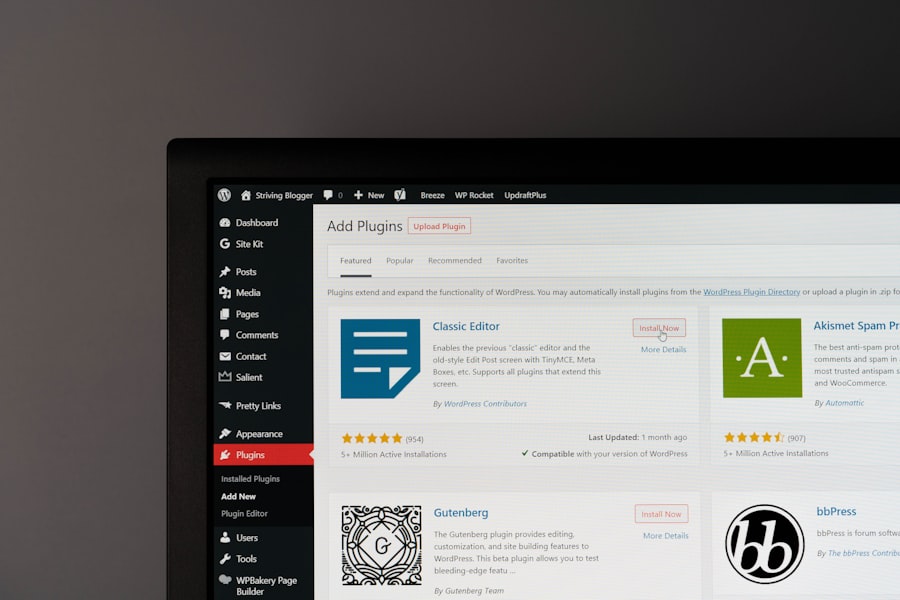
Your WordPress login page (wp-login.php) is a beacon for bots and hackers looking to gain entry. Implementing measures to deter these automated attacks is crucial for keeping your admin panel secure.
Limiting Login Attempts
One of the most effective ways to combat brute-force attacks is to limit the number of times a user can attempt to log in with incorrect credentials within a specific timeframe.
How Limit Login Attempts Work
After a set number of failed attempts (e.g., 3-5), the IP address of the attacker is temporarily or permanently blocked. This effectively halts brute-force attempts by preventing the continuous barrage of password guesses.
Recommended Plugins for Login Atttempt Limits
- Wordfence Security: Offers robust brute-force protection, including login attempt limiting.
- Limit Login Attempts Reloaded: A dedicated plugin focused solely on this functionality.
- iThemes Security: Another comprehensive security plugin that includes this feature.
Configure these plugins to set a reasonable number of attempts and the duration of the lockout.
Changing Your Default Login URL
The default WordPress login URL (yourwebsite.com/wp-login.php or yourwebsite.com/wp-admin) is universally known. Changing this URL makes it significantly harder for automated bots to find your login page.
How to Change the Login URL
Plugins like WPS Hide Login or iThemes Security allow you to easily set a custom URL for your WordPress login page. For example, you could change it to something like yourwebsite.com/mysecretlogin.
Important Consideration: Make sure to remember your custom login URL! Not having it readily available can lock you out of your own admin panel. Keep it in a secure place.
Implementing CAPTCHA or reCAPTCHA
CAPTCHA (Completely Automated Public Turing test to tell Computers and Humans Apart) and its more advanced successor, Google reCAPTCHA, are excellent tools for distinguishing legitimate human users from bots.
How CAPTCHA/reCAPTCHA Enhances Security
By presenting a challenge that is difficult for bots to solve (e.g., identifying specific images, typing distorted text), CAPTCHA ensures that only humans can interact with your login form, effectively thwarting automated login attempts.
Integrating reCAPTCHA
Many security plugins, including Wordfence and iThemes Security, offer seamless integration with Google reCAPTCHA. You’ll typically need to get API keys from Google and configure them within your chosen plugin. You can also find dedicated reCAPTCHA plugins for more granular control.
Securing Your WordPress Installation Beyond the Login Page
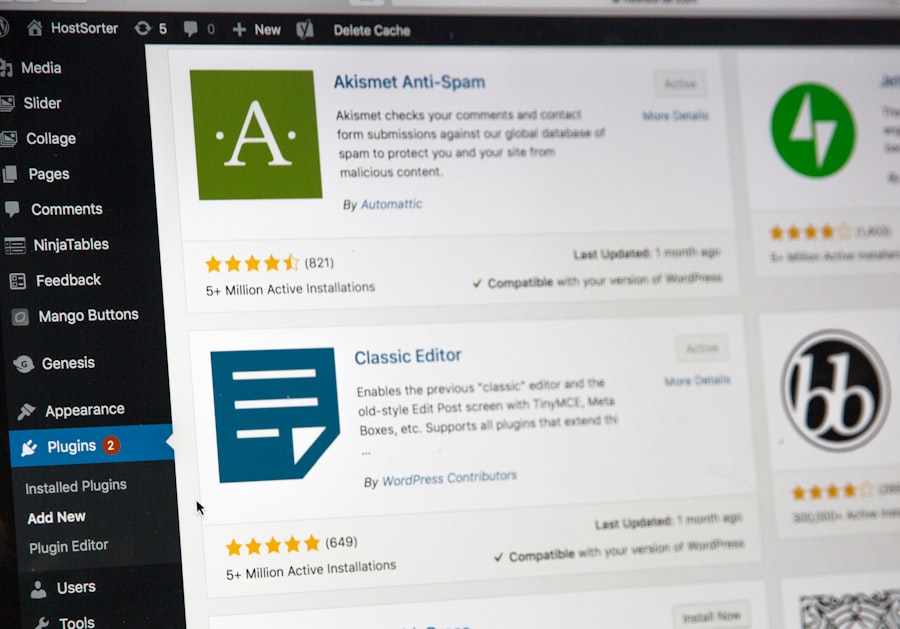
While the login page is a primary target, the security of your entire WordPress installation is paramount. Weaknesses elsewhere can still lead to unauthorized access or compromise.
Keeping WordPress Core, Themes, and Plugins Updated
As mentioned earlier, updates are critical. They address security vulnerabilities, bugs, and performance issues.
The Update Process
- WordPress Core: WordPress frequently releases updates. Always install them promptly, ideally after backing up your site.
- Themes: Keep your active and inactive themes updated. Vulnerabilities in inactive themes can still be exploited.
- Plugins: Regularly update all your installed plugins. Even a single outdated plugin can be a gateway for attackers.
Automatic Updates
Consider enabling automatic updates for minor WordPress core releases and plugin updates. However, for major WordPress core releases or significant theme updates, it’s often wise to perform them manually after backing up your site, just in case of compatibility issues.
Implementing a Web Application Firewall (WAF)
A Web Application Firewall acts as a shield between your website and the internet, filtering out malicious traffic before it reaches your server.
How a WAF Protects Your Site
A WAF can help prevent attacks like SQL injection, cross-site scripting (XSS), and brute-force attempts by identifying and blocking suspicious requests.
WAF Options for WordPress
- Cloud-based WAFs: Services like Cloudflare, Sucuri, and Akamai offer robust WAF solutions that protect your entire site, including your admin panel, at the network level.
- Plugin-based WAFs: Comprehensive security plugins like Wordfence Security and Sucuri Security include WAF functionality within their offerings.
Performing Regular Backups
While not a preventative measure, regular backups are your ultimate safety net. If the worst happens and your site is compromised, a recent backup allows you to restore your website to a clean state.
Backup Strategies
- Automated Backups: Use a reliable backup plugin (e.g., UpdraftPlus, VaultPress) to schedule regular, automated backups.
- Off-site Storage: Store your backups in a secure off-site location (e.g., cloud storage like Dropbox, Google Drive, or a dedicated backup service). Never store backups solely on the same server as your website.
- Test Your Backups: Periodically test your backups by performing a restore on a staging environment. This ensures they are valid and that you know how to use them.
To enhance the security of your WordPress admin panel, it’s also important to consider the overall security features provided by your web hosting service. For insights on this topic, you can check out an informative article that discusses essential security features your web host should offer in 2023. This can help you make informed decisions about your hosting provider and ensure that your website remains protected. You can read more about it in this article.
Additional Security Measures for Enhanced Protection
| Security Measure | Description |
|---|---|
| Strong Passwords | Use complex passwords with a combination of letters, numbers, and special characters. |
| Two-Factor Authentication | Enable 2FA to add an extra layer of security for accessing the admin panel. |
| Limit Login Attempts | Set a limit on the number of login attempts to prevent brute force attacks. |
| Update Regularly | Keep WordPress, themes, and plugins updated to patch security vulnerabilities. |
| Use SSL | Install an SSL certificate to encrypt data transmitted between the browser and server. |
| Security Plugins | Install and configure security plugins to monitor and protect the admin panel. |
Beyond the core strategies, several additional steps can significantly bolster the security of your WordPress admin panel.
Using SFTP/SSH Instead of FTP
If you access your website files via FTP, consider upgrading to SFTP (SSH File Transfer Protocol) or SSH (Secure Shell) if your hosting provider supports it.
Why SFTP/SSH is More Secure
FTP transmits data, including login credentials, in plain text, making it susceptible to interception. SFTP and SSH encrypt your connection, providing a much more secure way to manage your website files.
Regularly Reviewing User Activity
Knowing who is accessing your admin panel and what they are doing can help you detect suspicious activity early on.
Activity Logging Plugins
Plugins like WP Activity Log can record most of the actions performed on your WordPress site, including logins, logouts, content changes, and plugin/theme modifications. Regularly reviewing these logs can help you identify anomalies.
Disabling File Editing in the WordPress Dashboard
By default, WordPress allows you to edit theme and plugin files directly from the dashboard. This is a convenient feature but can be exploited if an attacker gains admin access.
How to Disable File Editing
You can disable this feature by adding the following line to your wp-config.php file:
“`php
define( ‘DISALLOW_FILE_EDIT’, true );
“`
This will remove the “Editor” link from the Appearance and Plugins menus, forcing you to edit files via SFTP/SSH.
Choosing a Reputable Hosting Provider
The security of your website is also dependent on your hosting provider. A good host will offer server-level security measures, regular security audits, and prompt responses to security incidents. Research your hosting provider’s security practices before committing.
Securing your WordPress admin panel is not a one-time task; it’s an ongoing commitment. By implementing these effective tips, you can significantly strengthen your defenses, protect your valuable online assets, and ensure your WordPress website remains a safe and reliable platform for your audience. Be proactive, stay informed, and make security a priority.
FAQs
1. Why is it important to secure the WordPress admin panel?
It is important to secure the WordPress admin panel to prevent unauthorized access, protect sensitive information, and maintain the overall security of the website.
2. What are some effective ways to secure the WordPress admin panel?
Some effective ways to secure the WordPress admin panel include using strong passwords, limiting login attempts, enabling two-factor authentication, keeping WordPress and plugins updated, and using security plugins.
3. How can strong passwords enhance the security of the WordPress admin panel?
Strong passwords can enhance the security of the WordPress admin panel by making it more difficult for unauthorized users to guess or crack the password and gain access to the admin panel.
4. What role does two-factor authentication play in securing the WordPress admin panel?
Two-factor authentication adds an extra layer of security to the WordPress admin panel by requiring users to provide a second form of verification, such as a code sent to their mobile device, in addition to their password.
5. Why is it important to keep WordPress and plugins updated for the security of the admin panel?
Keeping WordPress and plugins updated is important for the security of the admin panel because updates often include security patches that address vulnerabilities and protect the website from potential threats.







Add comment