
You’re a website owner, and you’ve poured your heart and soul into creating something amazing. Your content is stellar, your design is captivating, and your products or services are top-notch. But perhaps you’re noticing a subtle (or not so subtle) drag. Your visitors aren’t sticking around as long as you’d like. Your conversion rates are lagging. The culprit might not be your offerings, but rather the speed at which your website is delivered. This is where the often-overlooked, yet critically important, realm of data center technology comes into play. You might think it’s just a bunch of blinking lights in a dusty room, but for your website’s performance, it’s the engine room, the power plant, and the highway all rolled into one.
This article will guide you through the intricate ways data center technology directly impacts your website’s speed, reliability, and overall user experience. You’ll discover how understanding and leveraging these advancements can transform your online presence from sluggish to lightning-fast, ultimately leading to happier visitors and a more successful business.
To truly appreciate how data center technology boosts your website’s performance, you first need to grasp the bedrock of your online presence: your hosting environment. This is where your website’s files and databases reside, and the physical location and infrastructure of this location profoundly influence how quickly your site can be accessed by users worldwide.
Shared Hosting: The Entry-Level Experience
- What it is: When you first launch a website, shared hosting is often the most budget-friendly option. You’re essentially sharing a server with dozens, sometimes hundreds, of other websites. Think of it like living in an apartment building – you all share the same utilities, plumbing, and structural support.
- Performance Implications: While cost-effective, shared hosting is typically the slowest option when it comes to performance. The resources (CPU, RAM, bandwidth) are divided amongst all the websites on the server. If one website experiences a surge in traffic or a resource-intensive process, it can impact the performance of all other sites on that server. This can lead to slower load times, especially during peak hours.
- Data Center Role: Even in shared hosting, the quality of the data center matters. A well-maintained data center offers stable power, efficient cooling, and reliable network connectivity, which can mitigate some of the inherent performance limitations of sharing resources. However, you’re still fundamentally constrained by the shared nature of the environment.
Virtual Private Servers (VPS): A Step Up in Control and Resources
- What it is: A VPS acts like owning a condo within that apartment complex. You have your own dedicated slice of the server’s resources, with your own operating system and a more isolated environment. While still sharing the physical hardware, you have significantly more control and guaranteed resources.
- Performance Implications: VPS hosting generally offers much better performance than shared hosting. Your website is less susceptible to the “noisy neighbor” effect because your resources are allocated specifically to you. This leads to faster load times and a more consistent experience for your users.
- Data Center’s Enhanced Role: For VPS, the data center’s infrastructure becomes even more critical. You’re benefiting from more dedicated resources, so the underlying network speed, power stability, and cooling efficiency of the data center directly translate to the performance you experience. A data center with high-bandwidth peering agreements and robust connectivity will mean your VPS is faster and more responsive.
Dedicated Servers: The Pinnacle of Performance and Control
- What it is: With a dedicated server, you’re renting an entire physical server for yourself. This is like owning your own house – all the resources, space, and control are yours and yours alone.
- Performance Implications: Dedicated servers offer the highest level of performance and reliability. You have exclusive access to all the server’s resources, meaning your website’s speed is not influenced by any other users. This is crucial for high-traffic websites, demanding applications, and businesses where milliseconds matter.
- Data Center Excellence is Paramount: For dedicated hosting, the data center is your partner in performance. You get the raw power of the server, but the data center provides the essential backbone. This includes:
- High-Speed Networking: Direct, high-bandwidth connections to major internet exchanges ensure your data travels at lightning speed.
- Redundant Power and Cooling: Enterprise-grade UPS systems and sophisticated cooling ensure uninterrupted operation, preventing downtime that would cripple performance.
- Security and Physical Access Control: A secure data center protects your physical hardware from tampering and theft, contributing to overall stability.
In addition to understanding how data centers enhance website speed and reliability, it’s also beneficial to explore the role of hosting environments in this equation. A related article that delves into the specifics of Linux hosting and its advantages can be found here: What is Linux Hosting?. This resource provides insights into how Linux-based servers can optimize performance and contribute to a more stable online presence.
Optimizing Network Latency: Getting Your Data There Faster
Network latency is the delay experienced when data travels from the server to the user’s browser. It’s a crucial factor in website performance, and data center technology plays a significant role in minimizing it. For your visitors, lower latency means a quicker, more responsive experience.
Content Delivery Networks (CDNs): Bringing Content Closer
- What they are: CDNs are distributed networks of servers strategically placed in various geographical locations around the world. When you use a CDN, copies of your website’s static content (images, CSS, JavaScript files) are cached on these servers.
- How they boost performance: Instead of a user in Australia having to fetch content from a server in North America, their request is routed to the nearest CDN server, dramatically reducing the physical distance the data has to travel. This significantly lowers latency and speeds up load times.
- Data Center Integration: CDNs rely heavily on the data center infrastructure where their edge servers are housed. High-performance data centers with excellent network connectivity and the ability to scale are essential for a robust CDN. The data center provides the physical space, power, cooling, and direct network connections that allow CDN providers to offer their distributed services effectively.
Peering and Bandwidth: The Highways of the Internet
- What are peering and bandwidth: Bandwidth refers to the amount of data that can be transferred over a connection in a given time. Peering is the voluntary exchange of internet traffic between different networks (like ISPs and content providers) to improve routing efficiency and reduce transit costs.
- Impact on your website: Data centers that have direct peering arrangements with major internet service providers (ISPs) and other networks can offer faster and more direct routes for your website’s data. This means less “hopping” between networks, reducing latency and improving overall speed. High bandwidth within the data center and out to the internet ensures that even with large amounts of data, transfers are quick.
- Data Center’s Role: A modern data center is meticulously designed to maximize peering opportunities and ensure ample bandwidth. They invest in high-capacity network cables, direct connections to multiple Tier-1 and Tier-2 network providers, and redundant network paths. This infrastructure is the invisible highway that your website’s data travels on.
Edge Computing: Processing Data Closer to the Source
- What it is: Edge computing is a distributed computing paradigm that brings computation and data storage closer to the sources of data generation. Instead of sending all data to a central data center, processing happens at or near the “edge” of the network.
- Applications for website performance: While not directly hosting your website, edge computing influences performance by reducing the need to send every single user interaction back to a distant server for processing. For dynamic websites or applications with real-time features, processing some requests at the edge can significantly reduce response times and improve responsiveness.
- Data Center Synergy: Data centers can serve as the central hub for edge computing deployments. They provide the robust infrastructure and connectivity to manage and orchestrate edge devices, ensuring that data is processed efficiently and securely, and the results are delivered back to users with minimal delay.
Ensuring Uptime and Reliability: Keeping Your Website Accessible

Even the fastest website is useless if it’s not available. Data center technology is paramount in ensuring your website remains accessible 24/7, a critical factor for user satisfaction and business continuity.
Redundant Power Systems: The Uninterruptible Flow
- The need for redundancy: Power outages, even brief ones, can bring your website crashing down. Data centers combat this with multiple layers of redundancy.
- How it works: This typically involves:
- Utility Feeds: Connecting to multiple independent power grids from different substations.
- Uninterruptible Power Supplies (UPS): Large battery banks that instantly kick in when utility power fails, providing a seamless transition.
- Backup Generators: Diesel or natural gas generators that can power the entire facility for extended periods during prolonged outages.
- Your website’s benefit: This multi-layered approach ensures that your website remains online, even if the local power grid experiences issues. This constant availability builds trust with your visitors and prevents lost revenue or opportunities due to downtime.
Advanced Cooling Solutions: Preventing Overheating
- Why cooling is vital: Servers generate a lot of heat. Without efficient cooling, hardware can overheat, leading to performance degradation and hardware failure.
- Data Center Techniques: Modern data centers employ sophisticated cooling systems, such as:
- Computer Room Air Conditioners (CRACs) and Computer Room Air Handlers (CRAHs): Designed to precisely control temperature and humidity.
- Hot/Cold Aisle Containment: Strategically arranging server racks to direct cool air to the front of servers and exhaust hot air out the back, maximizing efficiency.
- Liquid Cooling: In high-density environments, liquid cooling systems offer even greater thermal management capabilities.
- Performance Advantage: Stable operating temperatures for your servers mean consistent performance and a reduced risk of hardware-related slowdowns or failures. A well-cooled data center contributes directly to the reliability of your hosting environment.
Disaster Recovery and Business Continuity: Preparing for the Worst
- The importance of a plan: While data centers strive for maximum uptime, unforeseen disasters (natural or man-made) can occur. Robust disaster recovery (DR) and business continuity (BC) plans are essential.
- Data Center’s Role: Reputable data center providers offer:
- Geographically Diverse Locations: Having backup data centers in different regions to ensure that if one facility is affected, another can take over.
- Regular Data Backups and Replication: Implementing automated and frequent backups of your website’s data, stored securely and potentially in multiple locations.
- Failover Procedures: Establishing clear protocols for automatically switching operations to a backup site in the event of a primary site failure.
- Your website’s resilience: This planning ensures that even in the face of a major incident, your website can be restored quickly, minimizing downtime and data loss. This is crucial for maintaining customer trust and business operations.
Storage Technology: The Speed of Accessing Your Data
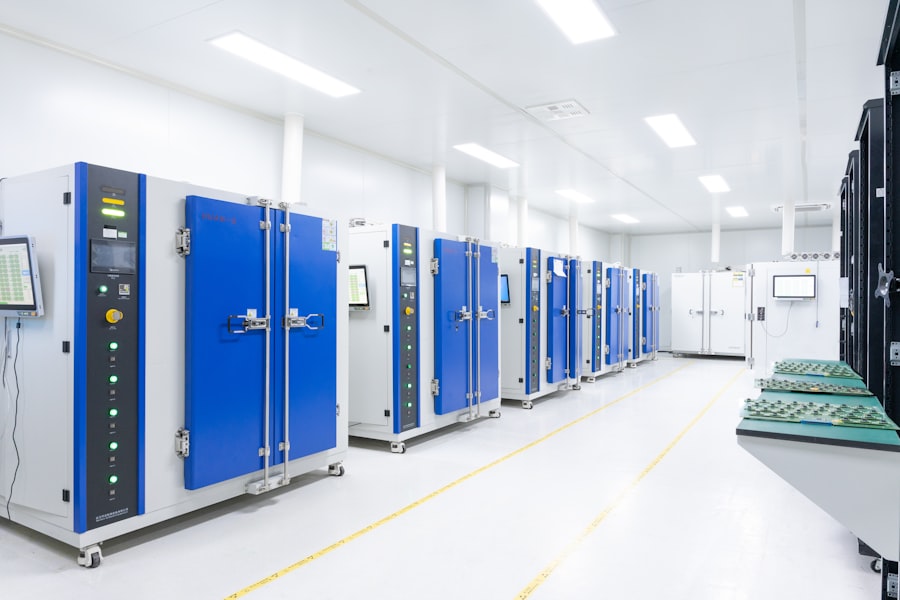
The speed at which your website’s data can be read and written directly impacts how quickly your pages load and how responsive your applications are. Data center storage solutions are a key driver of this performance.
Solid State Drives (SSDs) vs. Hard Disk Drives (HDDs)
- Understanding the difference: Traditional HDDs use spinning platters and moving read/write heads, making them slower and more prone to mechanical failure. SSDs, on the other hand, use flash memory, meaning there are no moving parts, resulting in significantly faster data access.
- Impact on website performance: Websites hosted on SSD storage will load much faster, especially for databases and frequently accessed files. This is because the time it takes to retrieve data from storage is drastically reduced.
- Data Center Adoption: Modern data centers overwhelmingly prioritize SSD storage for their hosting solutions. This commitment to cutting-edge technology directly translates to a faster and more responsive experience for your website’s visitors. Even within SSDs, there are different tiers of performance, with NVMe SSDs offering the fastest speeds.
Cloud Storage Architectures: Scalability and Performance
- The shift to cloud: Cloud storage solutions, often architected within sophisticated data centers, offer unparalleled scalability and performance. They allow for dynamic allocation of resources based on demand.
- Benefits for your website:
- Scalability: As your website traffic grows, cloud storage can seamlessly scale up to handle the increased load without manual intervention, ensuring consistent performance.
- High Availability: Cloud storage is typically designed with built-in redundancy and replication across multiple servers and often multiple data centers, ensuring your data is always accessible.
- Performance Tiers: Cloud providers often offer different performance tiers for storage, allowing you to choose the option that best balances cost and speed for your specific needs.
- Data Center’s Integral Role: The underlying infrastructure of the data center – its high-speed networking, power, and cooling – is what enables these advanced cloud storage architectures to deliver on their promises of scalability and performance.
Data Redundancy and Mirroring: Protecting Against Data Loss
- Preventing corruption: Data redundancy and mirroring are techniques used to ensure data integrity and availability. If one copy of the data is corrupted or lost, another identical copy is available.
- How it benefits your website: This protects your website’s content and databases from individual disk failures or other storage-related issues. It ensures that your website remains accessible and that no critical data is lost.
- Data Center Implementation: Data centers implement complex RAID (Redundant Array of Independent Disks) configurations and storage mirroring technologies to achieve these levels of data protection. The physical infrastructure and the sophisticated storage management software within the data center are key to these capabilities.
In the quest for enhanced website performance, understanding the role of dedicated hosting can be crucial. A related article discusses how dedicated hosting serves as the perfect solution for websites seeking improved speed and reliability. By utilizing dedicated resources, websites can experience faster load times and reduced downtime, which are essential for maintaining user engagement. For more insights on this topic, you can read the article here.
Security Measures Within the Data Center: Protecting Your Digital Assets
| Metrics | Benefits |
|---|---|
| Latency | Reduced by locating servers closer to users |
| Uptime | Increased with redundant power and cooling systems |
| Bandwidth | Improved with high-speed internet connections |
| Security | Enhanced with physical and digital protection measures |
While not a direct performance booster in terms of speed, robust security measures within a data center are crucial for maintaining the integrity and availability of your website, which indirectly contributes to a positive user experience and prevents performance degradation caused by malicious attacks.
Physical Security: The First Line of Defense
- Securing the premises: Data centers are highly secure facilities. Access is strictly controlled through multi-factor authentication, surveillance systems, and trained security personnel.
- Why this matters for your website: This physical security prevents unauthorized access to the servers that host your website, safeguarding it from physical tampering or theft, which could lead to downtime and data breaches.
Network Security: Defending Against Cyber Threats
- Firewalls and Intrusion Detection/Prevention Systems (IDPS): Data centers employ sophisticated network security measures to monitor and protect against cyberattacks like DDoS (Distributed Denial of Service) attacks, malware, and unauthorized access.
- DDoS Mitigation: Specialized services within the data center can detect and absorb malicious traffic, ensuring that your legitimate website visitors can still access your site even during an attack. This is vital for maintaining uptime and performance.
Regular Audits and Certifications: Ensuring Best Practices
- Compliance and standards: Reputable data centers undergo regular security audits and obtain industry certifications (e.g., ISO 27001, SOC 2) to demonstrate their commitment to security best practices.
- Your assurance: These certifications provide you with assurance that the data center adheres to stringent security protocols, which directly contributes to the overall security and reliability of your website’s hosting environment. A secure environment is a stable environment, and stability is a prerequisite for optimal performance and availability.
By understanding these layers of data center technology, you gain a profound appreciation for the invisible infrastructure that powers your online presence. It’s not just about choosing a hosting plan; it’s about understanding how the physical environment, the network, the storage, and the security all work in concert to deliver a fast, reliable, and secure experience for your website visitors. Investing time in understanding and choosing a data center provider that prioritizes these aspects is an investment in the success of your website.
FAQs
1. What is a data center and how does it improve website speed and reliability?
A data center is a facility used to house computer systems and associated components, such as telecommunications and storage systems. Data centers improve website speed and reliability by providing a secure and controlled environment for servers, networking equipment, and other hardware, which allows for efficient data processing and storage.
2. How do data centers contribute to faster website loading times?
Data centers contribute to faster website loading times by utilizing high-speed internet connections, powerful servers, and advanced networking equipment. These components work together to process and deliver website content quickly and efficiently to users around the world.
3. What role do data centers play in ensuring website reliability and uptime?
Data centers play a crucial role in ensuring website reliability and uptime by implementing redundant power supplies, backup generators, and cooling systems to prevent downtime due to power outages or equipment failures. Additionally, data centers often have multiple internet connections to ensure continuous website accessibility.
4. How do data centers enhance website security and protect against cyber threats?
Data centers enhance website security by implementing robust physical security measures, such as access controls and surveillance systems, to protect against unauthorized access. They also employ advanced cybersecurity technologies, such as firewalls and intrusion detection systems, to safeguard against cyber threats and attacks.
5. What are the benefits of using a data center for website hosting and management?
The benefits of using a data center for website hosting and management include improved website performance, reliability, and security. Data centers also offer scalability, flexibility, and cost-effectiveness, allowing businesses to efficiently manage their online presence and meet the demands of their users.








Add comment