
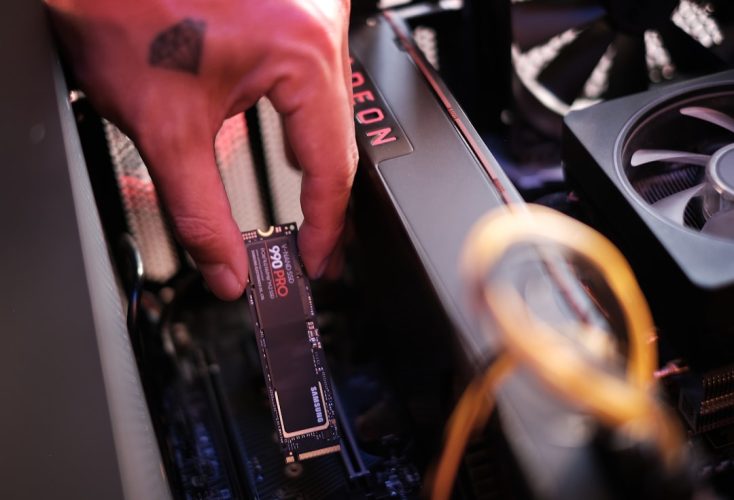
You’re likely reading this because you’re experiencing the frustration of a slow or unreliable website. Perhaps your visitors are abandoning your pages before they even load, or maybe your server seems to be taking an eternity to respond to simple requests. These performance bottlenecks can cripple your online presence, impacting everything from customer satisfaction to conversion rates. The good news is that a significant part of this problem often lies in your hosting infrastructure, and specifically, in the type of storage your server utilizes. You’ve probably heard the buzz word: NVMe. This article is here to demystify NVMe storage and explain precisely how it can turbocharge your hosting speed and reliability, giving you the competitive edge you need.
Imagine your website as a library. The content on your site – the text, images, videos, databases – are all the books on its shelves. Every time a visitor wants to access a piece of information, it’s like someone asking for a specific book. The faster your librarian can locate and retrieve that book, the quicker the visitor gets what they need. This is where storage technology comes into play.
The Evolution of Storage: From Magnetic Discs to Solid State
For decades, the primary method for data storage in computers and servers was magnetic storage, typified by Hard Disk Drives (HDDs). These drives store data on spinning platters that are read and written by a physical head that moves across the surface.
Hard Disk Drives (HDDs): The Workhorse of the Past
- Mechanism: HDDs rely on mechanical parts. A motor spins the platters, and an actuator arm moves a read/write head to the correct location on the platter.
- Speed Limitations: The physical movement of these components introduces inherent latency. Accessing data involves waiting for the platter to spin to the correct sector and the read/write head to move into position. This process, while improved over the years, is fundamentally slower than electronic data access.
- Reliability Concerns: Due to their moving parts, HDDs are more susceptible to physical damage from shocks, vibrations, and general wear and tear. Mechanical failures, while not guaranteed, are a more common cause of data loss than with solid-state alternatives.
- Cost-Effectiveness: Historically, HDDs offered a much lower cost per gigabyte, making them the go-to choice for large-scale storage where raw speed wasn’t the absolute priority.
The Dawn of Solid-State Drives (SSDs): A Leap Forward
The advent of Solid-State Drives (SSDs) marked a significant paradigm shift in storage technology. SSDs use flash memory chips to store data, eliminating the need for moving parts.
Solid-State Drives (SSDs): The Modern Standard
- Mechanism: SSDs store data electronically on NAND flash memory chips. Data is accessed via electrical signals, making the process significantly faster than mechanical operations.
- Performance Benefits: Without moving parts, SSDs offer dramatically reduced latency and much higher input/output operations per second (IOPS). This translates to faster boot times for operating systems, quicker application loading, and significantly snappier data retrieval.
- Enhanced Reliability: The absence of mechanical components makes SSDs far more resistant to physical shock and vibration. While they have a finite lifespan based on write cycles, for typical web hosting workloads, this is rarely a limiting factor.
- Power Efficiency: SSDs consume less power and generate less heat than HDDs, contributing to a more sustainable and cooler server environment.
The Next Frontier: Enter NVMe
While SATA SSDs represented a massive improvement over HDDs, they still had a bottleneck. The SATA interface, originally designed for HDDs, was not optimized for the inherent speed capabilities of flash memory. This is where NVMe (Non-Volatile Memory Express) storage comes into play. NVMe is a protocol and interface specifically designed from the ground up for high-performance SSDs.
NVMe: Designed for Speed
- Protocol Advantage: NVMe was built to leverage the low latency and parallelism of flash memory. It allows for a much higher degree of command queuing and significantly more outstanding commands than the older AHCI protocol used by SATA.
- Direct PCIe Connection: Unlike SATA drives that connect through a SATA controller on the motherboard, NVMe drives connect directly to the CPU via the PCIe (Peripheral Component Interconnect Express) bus. PCIe lanes offer much higher bandwidth and lower latency than SATA connections.
- Reduced Latency: The combination of the NVMe protocol and direct PCIe connection dramatically reduces latency, allowing data to be accessed almost instantaneously. This is the critical difference that makes NVMe so much faster.
In addition to understanding how NVMe storage enhances hosting speed and reliability, it’s essential to consider the broader implications for your online presence. A well-optimized website not only benefits from fast storage solutions but also from engaging content that attracts and retains visitors. For insights on why your e-commerce website needs a blog to improve customer engagement and drive traffic, check out this informative article: Why Your E-Commerce Website Needs a Blog.
How NVMe Storage Elevates Your Hosting Experience
You’ve grasped why storage speed is fundamental to your website’s performance. Now, let’s dive deep into how NVMe storage specifically translates into tangible benefits for your web hosting. It’s not just about a marginal improvement; it’s about a revolutionary leap in speed and reliability.
Blazing Fast Data Access: The Core Advantage
The most immediate and impactful benefit of NVMe storage is its unparalleled speed. This speed permeates every aspect of your website’s operation, from serving static files to processing dynamic content and managing your database.
Sub-Millisecond Latency: Redefining Responsiveness
- Near-Instantaneous File Serving: When a visitor requests a webpage, your server needs to retrieve various files, including HTML, CSS, JavaScript, and images. With NVMe, this retrieval happens in fractions of a second, often in sub-millisecond times. This means your pages load dramatically faster.
- Enhanced Database Performance: Websites, especially those driven by content management systems (CMS) like WordPress or e-commerce platforms, rely heavily on databases. NVMe’s low latency and high IOPS allow databases to execute queries and retrieve data at an astonishing rate. This translates to quicker page generation, faster search results, and smoother overall application responsiveness.
- Dynamic Content Generation: For websites that generate content dynamically based on user interaction or other factors, NVMe ensures that the underlying data can be accessed and processed so rapidly that the user experience feels fluid and immediate.
Significant Increase in IOPS (Input/Output Operations Per Second)
- Concurrent User Handling: NVMe drives can handle an enormous number of read and write operations concurrently. This means your server can serve many more users simultaneously without experiencing slowdowns. If your website experiences traffic spikes, NVMe ensures that it can absorb the load more effectively.
- Application Responsiveness: For complex applications, CRM systems, or custom web tools hosted on your server, the ability to perform a high volume of I/O operations quickly is paramount. NVMe ensures that these applications feel snappy and responsive, even under heavy usage.
Unwavering Reliability: The Backbone of Uptime
Beyond raw speed, NVMe storage significantly contributes to the overall reliability of your hosting environment. This translates to greater uptime and less worry about unexpected downtime.
Robustness and Durability
- No Moving Parts: As highlighted earlier, the absence of mechanical components in NVMe SSDs makes them inherently more robust than HDDs. They are less prone to failure due to physical shock, vibration, or wear and tear.
- Consistent Performance: Unlike HDDs, which can experience performance degradation over time due to fragmentation or wear, NVMe SSDs maintain a more consistent level of performance throughout their lifespan. This predictability is crucial for mission-critical applications.
- Reduced Risk of Data Corruption: While all storage media have a theoretical risk of data corruption, the solid-state nature of NVMe reduces the susceptibility to certain types of mechanical failures that can lead to data corruption.
Advanced Error Correction and Wear Leveling
- Intelligent Data Management: NVMe drives incorporate sophisticated internal controllers that manage data placement, error correction, and wear leveling. Wear leveling ensures that data is distributed evenly across all flash memory cells, preventing premature failure of specific cells and extending the drive’s lifespan.
- Data Integrity: Advanced Error Correction Code (ECC) algorithms are employed to detect and correct data errors on the fly, ensuring the integrity of your data and minimizing the risk of silent data corruption.
NVMe in Action: Practical Applications and Benefits for Your Website

Understanding the technical specifications is one thing, but seeing how NVMe translates into real-world benefits for your website is what truly matters. Whether you’re running a blog, an e-commerce store, or a complex web application, there are direct advantages to be gained.
Supercharging Your E-commerce Store
For online retailers, every millisecond of load time can translate into lost sales. NVMe storage is not a luxury; it’s a necessity for a competitive e-commerce presence.
Faster Product Browsing and Search
- Instantaneous Product Load Times: When customers browse your product catalog, or use your site’s search function, NVMe ensures that product pages and search results appear almost instantaneously. This significantly improves the shopping experience and reduces bounce rates.
- Seamless Checkout Process: The checkout process involves numerous database lookups and transaction processing steps. NVMe dramatically speeds up these operations, leading to a smoother and faster checkout, reducing cart abandonment.
- Improved Image and Video Loading: E-commerce heavily relies on high-quality images and videos. NVMe’s high throughput ensures these rich media elements load quickly, showcasing your products effectively.
Handling High Traffic and Sales Events
- Surviving Black Friday & Cyber Monday: During peak shopping seasons, your website will experience a surge in traffic. NVMe storage allows your server to handle this immense load without buckling, ensuring your sales channels remain open and operational.
- Dynamic Pricing and Inventory Management: Real-time updates to pricing and inventory are critical for e-commerce. NVMe’s speed ensures these updates are processed and reflected immediately, preventing overselling or inaccurate product information.
Elevating Your Content Management System (CMS) Performance
If you’re running a website on a popular CMS like WordPress, Drupal, or Joomla, NVMe storage can breathe new life into its performance.
Faster Page Generation and Rendering
- Reduced Time to First Byte (TTFB): TTFB is a crucial metric that indicates how quickly your server starts sending data to the user’s browser. NVMe dramatically reduces TTFB, as database queries and file retrieval are executed at lightning speed.
- Quicker Plugin and Theme Loading: Many CMS sites utilize numerous plugins and themes, each adding to the server’s workload. NVMe ensures that these components load and execute rapidly, resulting in a more responsive dashboard and a faster-loading frontend.
- Efficient Caching: While caching mechanisms are essential for CMS performance, NVMe ensures that the underlying data required for cache generation and invalidation is accessed and processed at remarkable speeds.
Streamlined Content Publishing and Management
- Rapid Media Uploads: Uploading images, videos, and other media files to your CMS becomes significantly faster with NVMe, saving you valuable time during content creation.
- Faster Search and Filtering: When you need to find specific posts, pages, or media items within your CMS dashboard, NVMe ensures these search and filter operations are almost instantaneous, improving your administrative efficiency.
Powering Resource-Intensive Web Applications
For developers and businesses running custom web applications, databases, or specialized services, NVMe is often the differentiator between a sluggish, unusable application and a high-performing, scalable solution.
Database-Driven Applications
- Complex Queries and Transactions: Applications that perform complex database queries, large data aggregations, or real-time transaction processing will see dramatic improvements. NVMe can execute these operations orders of magnitude faster than traditional storage.
- Real-time Data Processing: For applications that require real-time data processing, such as financial trading platforms, IoT dashboards, or analytics tools, NVMe’s low latency is crucial to delivering timely and accurate information.
Developer Productivity and Deployment
- Faster Development Cycles: Developers working on NVMe-powered hosting environments will experience faster build times, quicker code compilation, and more responsive development tools, leading to increased productivity.
- Efficient Deployment and Scaling: Deploying new applications or scaling existing ones becomes a smoother and faster process when the underlying storage can keep up with the demands of data ingress and egress.
Choosing the Right NVMe Hosting Solution
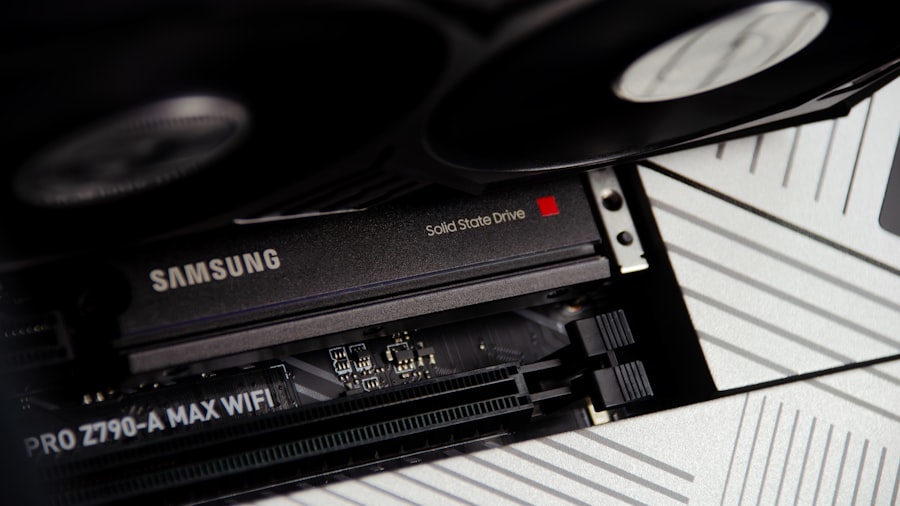
You’re now convinced that NVMe is the way to go. But navigating the world of NVMe hosting can still be a bit daunting. It’s important to understand the nuances to make an informed decision.
Understanding NVMe Tiers and Implementations
Not all NVMe is created equal. Hosting providers may offer different levels of NVMe implementation, and understanding these can help you choose the best fit for your needs.
Dedicated NVMe vs. NVMe-Powered Shared Hosting
- Dedicated NVMe Servers: These offer the ultimate in performance and isolation. Your entire server is equipped with NVMe drives, dedicated solely to your website and applications. This provides maximum bandwidth, IOPS, and minimal latency, ideal for high-traffic sites or resource-intensive applications.
- NVMe-Powered Shared Hosting: In this scenario, multiple users share a server, but the underlying storage is NVMe. This provides a significant performance boost over traditional shared hosting with HDDs or SATA SSDs. However, you’re still sharing resources, so extreme traffic spikes from other users on the same server could, in rare cases, have a minor impact. It’s a cost-effective way to experience NVMe benefits.
- NVMe VPS (Virtual Private Server): A VPS offers a virtualized environment with dedicated resources, including NVMe storage. This provides a good balance between performance, control, and cost, making it suitable for growing businesses and applications.
PCIe Gen 3, Gen 4, and Beyond
- Understanding PCIe Versions: PCIe lanes have evolved over generations, with each generation offering increased bandwidth and speed. PCIe Gen 3, Gen 4, and the newer Gen 5 provide progressively faster data transfer rates between the NVMe drive and the CPU.
- Impact on Hosting: Hosting providers offering NVMe drives connected via the latest PCIe generations (e.g., Gen 4 or Gen 5) will provide the absolute fastest performance. While older PCIe generations are still incredibly fast compared to SATA, the cutting-edge versions offer a further performance advantage.
Key Features to Look for in NVMe Hosting
When reviewing hosting providers, pay attention to these crucial factors to ensure you’re getting the most out of NVMe technology.
Bandwidth and Network Infrastructure
- High-Speed Network: Even with lightning-fast storage, your website’s speed is also dependent on your network connection. Look for providers with robust, high-bandwidth network infrastructure to ensure data can be delivered efficiently to your visitors.
- Data Transfer Limits: Understand the data transfer limits associated with your hosting plan. While NVMe storage helps serve content quickly, excessive traffic can still strain your bandwidth.
Server Uptime Guarantees
- SLA (Service Level Agreement): A hosting provider’s uptime guarantee is a critical indicator of their reliability. NVMe’s inherent reliability contributes to higher uptime, but the provider’s overall infrastructure and redundancy measures are equally important. Look for guarantees of 99.9% uptime or higher.
- Redundancy and Failover: Does the provider have redundant power supplies, network connections, and storage? These measures ensure that your website remains accessible even if a component fails.
Scalability and Future-Proofing
- Ease of Upgrading: As your website or application grows, you’ll need to scale your hosting resources. Look for providers that offer easy upgrade paths, allowing you to move to higher-performing NVMe solutions or more powerful server configurations seamlessly.
- Managed Services: Consider whether you need managed hosting services. These can offload the complexities of server administration, security, and optimization, allowing you to focus on your business while the provider handles the technical heavy lifting.
In exploring the benefits of NVMe storage for enhancing hosting speed and reliability, it’s also important to consider the broader context of effective online presence management. For instance, understanding common pitfalls in blogging can significantly impact your website’s performance and user engagement. You can learn more about this in the article on blogging mistakes and how to navigate them as beginners, which complements the discussion on how advanced storage solutions can optimize your site’s overall functionality.
Making the Switch: The Transition to NVMe
| Metrics | Improvement |
|---|---|
| Read/Write Speed | Significantly faster compared to traditional storage |
| Latency | Reduced latency for quicker data access |
| Reliability | Improved data integrity and endurance |
| Scalability | Supports higher I/O operations for increased scalability |
| Energy Efficiency | Lower power consumption for cost savings |
You’re ready to harness the power of NVMe. The good news is that migrating your website is generally a straightforward process, especially with the support of your hosting provider.
Planning Your Migration
A well-planned migration minimizes downtime and ensures a smooth transition.
Backup Your Data
- Comprehensive Backups: Before initiating any migration, always perform a full backup of all your website files, databases, and any other critical data. This acts as a safety net in case of unforeseen issues.
- Test Your Backups: Crucially, test your backups to ensure they are complete and can be restored successfully.
Choose Your NVMe Hosting Provider
- Research and Compare: Based on your needs and budget, research different hosting providers that offer NVMe solutions. Read reviews, compare features, and understand their pricing structures.
- Consult with Support: Don’t hesitate to contact the support teams of potential providers to ask questions about their NVMe offerings, migration process, and any specific requirements your website might have.
The Migration Process Itself
Most hosting providers offer tools and assistance to make the migration as painless as possible.
Provider-Assisted Migration
- Hassle-Free Transfer: Many reputable NVMe hosting providers offer free website migration services. They will handle the entire process of transferring your files, databases, and configurations to their NVMe-powered servers. This is often the simplest and most recommended option.
- Guidance and Support: Even if you opt for a self-migration, your provider will typically offer comprehensive guides and support to assist you at every step.
Self-Migration Steps (General Overview)
- Set up Your New NVMe Hosting Account: Once you’ve chosen a provider, sign up for your desired NVMe hosting plan.
- Transfer Website Files: Using FTP, SFTP, or your new host’s file manager, upload all your website files to the new server’s public\_html or assigned directory.
- Export and Import Databases: Export your database(s) from your old host and import them into your new NVMe hosting environment.
- Update DNS Records: Once your website is successfully set up on the new NVMe server, you’ll need to update your domain’s DNS (Domain Name System) records to point to the new server’s IP address. This tells the internet where to find your website. Propagation can take anywhere from a few minutes to 48 hours.
- Test Thoroughly: After DNS propagation, thoroughly test your website on the new NVMe hosting. Check all pages, links, forms, and functionalities to ensure everything is working as expected.
Post-Migration Optimization and Monitoring
The journey doesn’t end with migration. Ongoing optimization and monitoring are key to maintaining peak performance.
Performance Monitoring
- Speed Test Tools: Regularly use tools like Google PageSpeed Insights, GTmetrix, and Pingdom to monitor your website’s loading speed and identify any potential areas for improvement.
- Server Logs: Analyze your server logs for any errors or performance bottlenecks that might indicate underlying issues with your NVMe setup or application.
Content and Application Optimization
- Image Optimization: Even with NVMe, optimizing images for web use (compression, appropriate file formats) is crucial for faster loading.
- Caching Strategies: Implement and fine-tune caching mechanisms (browser caching, server-side caching) to further reduce loading times.
- Code Efficiency: For custom applications, ensure your code is efficient and makes optimal use of database queries and resource usage.
By understanding the profound impact of NVMe storage on your hosting’s speed and reliability, and by making an informed choice when selecting a provider, you are investing in the success of your online presence. The competitive edge that NVMe offers is no longer a futuristic concept; it’s a present-day reality that can propel your website to new heights of performance and visitor satisfaction.
FAQs
What is NVMe storage?
NVMe (Non-Volatile Memory Express) is a storage protocol designed for modern storage media such as SSDs (Solid State Drives) to improve the performance and efficiency of data storage and retrieval.
How does NVMe storage improve hosting speed?
NVMe storage improves hosting speed by providing significantly faster data transfer rates and lower latency compared to traditional storage technologies, allowing for quicker access to data and faster processing of requests.
What are the benefits of using NVMe storage for hosting?
Using NVMe storage for hosting offers benefits such as improved speed, lower latency, higher IOPS (Input/Output Operations Per Second), and enhanced reliability, resulting in better overall performance and user experience for hosted applications and websites.
How does NVMe storage enhance reliability in hosting?
NVMe storage enhances reliability in hosting by offering features such as end-to-end data protection, advanced error correction capabilities, and improved durability, which help to ensure the integrity and availability of data, reducing the risk of data loss or corruption.
Is NVMe storage compatible with existing hosting infrastructure?
NVMe storage is compatible with existing hosting infrastructure, but it may require hardware and software upgrades to fully leverage its performance benefits. Many modern hosting providers offer NVMe storage as an option for improved speed and reliability.









Add comment