

You’re navigating the digital landscape of 2026, a terrain where competition is fiercer than ever and user patience is practically nonexistent. Your website’s visibility is paramount, and a critical, often underestimated, factor in achieving that visibility is hosting speed. You might assume your content, keywords, and backlinks are the primary drivers of your SEO success, but in the current climate, a slow host can negate even the most meticulously crafted SEO strategy.
You’ve witnessed the relentless evolution of search engine algorithms. Google, specifically, has consistently reiterated its commitment to user experience. In 2026, this commitment is more deeply ingrained than ever, with page load speed acting as a significant quality signal. It’s no longer a nascent factor; it’s a mature, established criterion that directly impacts your ranking.
Google’s Core Web Vitals: A Constant Imperative
Remember when Core Web Vitals were introduced? If you haven’t been meticulously optimizing for Largest Contentful Paint (LCP), First Input Delay (FID), and Cumulative Layout Shift (CLS), you’re already behind. In 2026, these metrics aren’t just recommendations; they are foundational elements of your technical SEO. A slow host directly undermines your ability to achieve favorable scores in these crucial areas.
Largest Contentful Paint (LCP): The First Impression
Your LCP measures the time it takes for the largest content element to become visible within the viewport. If your hosting infrastructure is sluggish, struggling to deliver even the most substantial elements of your page, your LCP will suffer. Google interprets this as a poor user experience, penalizing you accordingly. You need a host that can deliver resources efficiently and without bottlenecks.
First Input Delay (FID): Responsiveness is Key
FID measures the time from when a user first interacts with your page (e.g., clicking a link, tapping a button) to the time when the browser is actually able to respond to that interaction. A slow server response time, often a symptom of inadequate hosting, can significantly inflate your FID. Users expect instantaneous feedback; any delay frustrates them and signals to search engines that your site is not performing optimally.
Cumulative Layout Shift (CLS): Stability Matters
While less directly tied to backend hosting speed than LCP or FID, CLS can still be indirectly impacted. If your server is slow to deliver critical CSS or JavaScript files, particularly those that define layout or inject content, you might experience unforeseen layout shifts as elements load out of order. While good development practices are the primary defense against CLS, a fast host provides a more stable, predictable environment for content rendering.
User Experience in 2026: Impatience Personified
You know how quickly you abandon a slow-loading website. Your users are no different, and their patience has only diminished over time. Research consistently shows a direct correlation between page load speed and bounce rate. In 2026, even a few extra milliseconds can be the difference between a conversion and a lost visitor. Google understands this behavior and prioritizes websites that cater to it.
Mobile-First Indexing and the Need for Speed
With mobile-first indexing firmly entrenched, the speed of your mobile site is paramount. Mobile users are often on less stable connections, and a slow host exacerbates any connectivity issues they face. Your hosting provider must be optimized for mobile delivery, utilizing technologies like HTTP/2 and potentially edge caching to ensure a swift experience on smaller devices.
In the ever-evolving landscape of SEO, the significance of hosting speed cannot be overstated, especially as we move into 2026. A related article that delves into the nuances of hosting solutions and their impact on website performance is available at What is Cloud Hosting? – Hostings House. This resource provides valuable insights into how different hosting options, particularly cloud hosting, can enhance loading times and ultimately improve SEO rankings, making it essential reading for anyone looking to optimize their online presence.
Direct SEO Benefits of Optimized Hosting Speed
You’re not just avoiding penalties; you’re actively earning advantages with a fast host. Optimized hosting speed directly contributes to several positive SEO outcomes, boosting your visibility and organic traffic.
Improved Crawlability and Indexing Efficiency
Search engine bots, like Googlebot, have a “crawl budget.” This refers to the number of URLs within a given timeframe that Googlebot will crawl on your site. If your website is slow to respond, Googlebot will spend more time trying to access your pages, effectively exhausting its crawl budget faster and indexing fewer pages.
Faster Content Discovery
A rapid response from your server allows Googlebot to process your pages more efficiently. This means new content or updates to existing content are discovered and indexed more quickly, giving you a competitive edge in getting your latest information visible to prospective users.
Reduced Server Load for Bots
When your server responds slowly, it puts additional strain on Googlebot, causing it to expend more resources on your site. By providing a fast, responsive environment, you make it easier for search engines to do their job, subtly encouraging more frequent and thorough crawls.
Enhanced User Engagement Metrics
Beyond Core Web Vitals, a fast website positively influences other user engagement metrics that indirectly feed into your SEO performance. These include lower bounce rates, longer dwell times, and higher conversion rates.
Lower Bounce Rates
When visitors experience immediate page loads, they are more likely to stay on your site, explore multiple pages, and engage with your content. This reduction in bounce rate signals to search engines that your website provides a valuable and satisfying user experience.
Increased Dwell Time
A fast-loading site allows users to spend more time consuming your content rather than waiting for it. Longer dwell times indicate user satisfaction and a strong match between search query and content, both of which are positive signals for search engine algorithms.
Higher Conversion Rates
Ultimately, your website exists to achieve specific goals – whether it’s selling a product, generating leads, or educating visitors. Faster load times contribute to a smoother user journey, reducing friction and increasing the likelihood of goal completion. While not a direct SEO factor, improved conversion rates often lead to more inbound links, social shares, and positive brand signals, all of which indirectly benefit your SEO.
The Technical Foundations of Hosting Speed
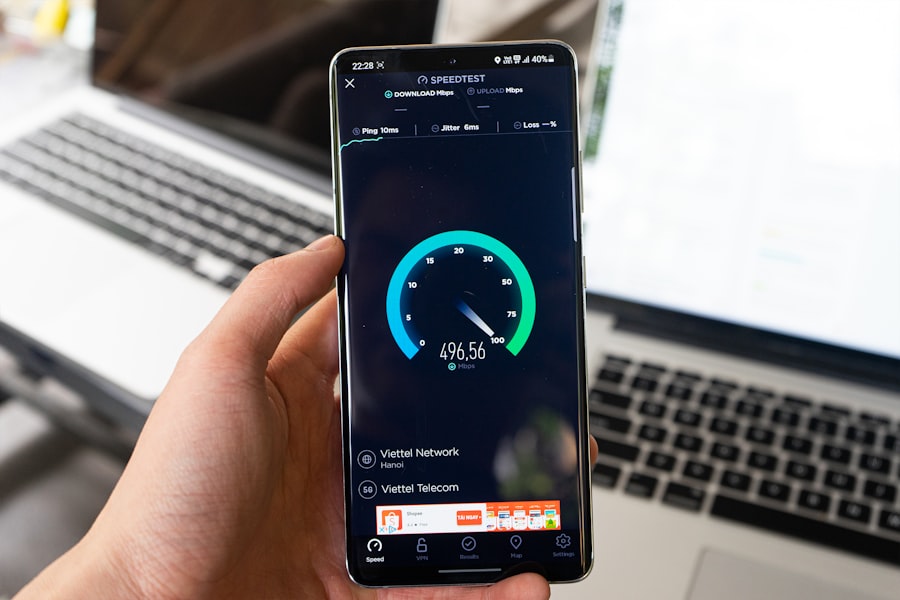
You need to understand the underlying technical aspects that dictate your hosting speed. It’s not just about picking the cheapest option; it’s about making an informed decision based on your website’s specific needs and traffic.
Server Response Time (Time to First Byte – TTFB)
Your TTFB is a critical measure of hosting performance. It’s the time it takes for your server to respond to a user’s request with the very first byte of information. A high TTFB indicates fundamental issues with your server setup, resources, or geographical proximity.
Server Hardware and Resources
You should be looking at the specifications of the server hardware being used. CPU, RAM, and SSD storage play crucial roles. Shared hosting, while cost-effective, often means contending with other websites for these resources, leading to slower TTFB during peak times. Dedicated servers, VPS (Virtual Private Servers), or cloud hosting offer more isolated and scalable resources, directly impacting your TTFB.
Geographical Location of Servers (CDN Implementation)
The physical distance between your server and your users significantly impacts TTFB. If your primary audience is in Europe but your server is in the US, the latency will be noticeable. Utilizing a Content Delivery Network (CDN) is almost a non-negotiable in 2026. A CDN caches your static content (images, CSS, JavaScript) on servers globally, serving content from the nearest possible location to your users, drastically reducing TTFB for geographically dispersed audiences.
Server-Side Caching Mechanisms
Effective server-side caching can dramatically reduce the need for your server to regenerate content for every request. Technologies like Varnish, Redis, or Memcached store dynamically generated pages or database queries, allowing your server to deliver them almost instantaneously on subsequent requests. You need to ensure your hosting provider offers robust caching solutions or that you have the ability to implement them effectively.
Network Latency and Bandwidth
Beyond the server itself, the network infrastructure plays a vital role. Latency refers to the delay in data transmission, and bandwidth is the capacity of the network connection.
High-Quality Network Infrastructure
Your hosting provider should be using high-quality network infrastructure with ample bandwidth and minimal congestion. This ensures that data can travel quickly and efficiently between your server and users, without being bottlenecked by an overloaded network.
Optimal Routing and Peering Arrangements
The way your hosting provider connects to the broader internet matters. They should have optimized routing configurations and peering agreements with major internet service providers (ISPs) to ensure the fastest possible path for data transmission. Subpar routing can lead to unnecessary hops and increased latency.
Web Server Software and Configuration
The choice and configuration of your web server software (e.g., Apache, Nginx, LiteSpeed) also impact speed.
Efficient Web Server Software
Nginx and LiteSpeed are generally considered more performant than Apache for serving static content and handling many concurrent connections, primarily due to their event-driven architectures. While Apache remains widely used, its configuration needs to be optimized for speed.
Optimized Server Configuration
Regardless of the software, an optimized server configuration is essential. This includes settings related to compression (Gzip/Brotli), keep-alive connections, resource allocation, and security protocols. A well-configured server can shave precious milliseconds off your load times.
How to Assess Your Current Hosting Speed and Choose a Better Provider

You can’t fix what you don’t measure. Regularly auditing your website’s performance is crucial, and when deficiencies are identified, selecting the right hosting provider becomes paramount.
Performance Monitoring Tools You Should Be Using
Don’t rely on anecdotal evidence. You need objective data to understand your website’s speed.
Google PageSpeed Insights
This tool remains fundamental. It provides both lab data (simulated performance) and field data (real user experience) for your website, offering actionable recommendations for improvement, many of which relate directly to server response time and resource delivery.
GTmetrix and WebPageTest
These tools offer more granular insights, allowing you to visualize waterfall diagrams of resource loading, identify bottlenecks, and test from various geographical locations and device types. They are invaluable for pinpointing specific areas where your hosting might be underperforming.
Server Monitoring (Pingdom, UptimeRobot)
While these primarily focus on uptime, many also track basic server response times. Consistent high response times across these tools, even when your website is simple, suggests a fundamental issue with your hosting.
Key Factors When Selecting a Hosting Provider for Speed
When you’re evaluating hosting options, look beyond the price tag. Your website’s performance, and thus your SEO, depends on it.
Type of Hosting: Shared vs. VPS vs. Dedicated vs. Cloud
- Shared Hosting: Usually the cheapest, but you share server resources with many other websites. This can lead to variability in performance and slow speeds during peak times for other sites on the same server. Generally not recommended for serious SEO efforts in 2026.
- VPS (Virtual Private Server): Offers dedicated resources within a shared physical server environment. Better performance and more control than shared hosting, a common choice for growing businesses.
- Dedicated Hosting: You get an entire physical server to yourself, offering maximum performance and control. Ideal for high-traffic websites or applications with specific resource demands.
- Cloud Hosting: Highly scalable and flexible, resources can be adjusted on demand. You pay for what you use. Excellent for websites with fluctuating traffic or those requiring high availability. Modern CDNs often leverage cloud infrastructures.
Scalability and Resource Allocation
Your chosen host needs to be able to grow with your website. If a sudden traffic surge occurs (e.g., a viral post, a successful marketing campaign), your hosting must be able to handle it without degrading performance. Look for providers that offer easy upgrades or auto-scaling solutions.
Global Reach (CDN Integration and Data Centers)
If your audience is geographically diverse, a host with a strong global network of data centers and robust CDN integration options is essential. This ensures minimal latency for all your users. If your audience is highly localized, ensure the data center is as close as possible to them.
Uptime Guarantees and Support Quality
While not directly speed-related, downtime severely impacts SEO. A host with a high uptime guarantee (e.g., 99.9% or higher) is crucial. Furthermore, responsive and knowledgeable technical support is invaluable when performance issues arise. You need a team that understands the nuances of server optimization and can assist promptly.
In the ever-evolving landscape of digital marketing, understanding the factors that influence SEO rankings is crucial for website owners. One significant aspect that has gained attention is how hosting speed impacts these rankings, especially as search engines continue to prioritize user experience. For those looking to enhance their website’s overall performance and security, exploring strategies to improve website security can also play a vital role in maintaining a strong online presence. You can find valuable insights in this article on improving your website security, which complements the discussion on hosting speed and its implications for SEO in 2026.
Future-Proofing Your Hosting for Sustained SEO Success
| Hosting Speed | SEO Rankings Impact |
|---|---|
| Very Fast | Positive impact on SEO rankings |
| Fast | Positive impact on SEO rankings |
| Moderate | Neutral impact on SEO rankings |
| Slow | Negative impact on SEO rankings |
| Very Slow | Strong negative impact on SEO rankings |
Your work doesn’t stop once you’ve chosen a fast host. The digital landscape continually shifts, and your hosting strategy must adapt to maintain your competitive edge.
Embracing HTTP/3 and QUIC Protocol
HTTP/2 has been the standard for some time, but HTTP/3, built on the QUIC protocol, is the next leap forward. It offers improved multiplexing, reduced head-of-line blocking, and faster connection setup, particularly beneficial on mobile networks. You should ensure your hosting provider supports and actively implements HTTP/3 to leverage these performance gains.
Serverless Architectures and Edge Computing
For specific use cases, particularly dynamic content delivery and microservices, serverless architectures (like AWS Lambda or Google Cloud Functions) are gaining traction. They allow you to execute code without managing servers, optimizing resource usage and potentially reducing latency by executing functions closer to the user (edge computing). While not for every website, you should be aware of their potential for performance optimization of specific components.
Continuous Monitoring and Optimization
Hosting speed is not a “set it and forget it” aspect of SEO. Your website evolves, traffic patterns change, and technology advances. You must implement a continuous monitoring strategy. Regularly run performance tests, analyze your Core Web Vitals, and review your hosting resources. Proactively address any dips in performance. This might involve optimizing your database, refactoring your code, or even considering a higher-tier hosting plan as your website grows.
In 2026, the notion that hosting speed is a minor SEO factor is a perilous misconception. It is a foundational element, deeply intertwined with user experience, conversion rates, and ultimately, your search engine rankings. By prioritizing a fast, reliable hosting environment, you’re not just adhering to best practices; you’re investing directly in the long-term visibility and success of your online presence. Ignore it at your peril.
FAQs
1. How does hosting speed impact SEO rankings in 2026?
Hosting speed continues to be a crucial factor in determining SEO rankings in 2026. Search engines prioritize websites that load quickly and provide a seamless user experience. Slow hosting speed can negatively impact a website’s SEO performance, leading to lower rankings and decreased visibility in search results.
2. What are the consequences of slow hosting speed on SEO rankings?
Slow hosting speed can result in higher bounce rates, lower user engagement, and decreased organic traffic. Search engines like Google consider these factors when determining rankings, so a website with slow hosting speed may experience a drop in its SEO performance.
3. How can fast hosting speed improve SEO rankings?
Fast hosting speed can lead to better user experience, higher engagement, and lower bounce rates, all of which are positive signals for search engines. Websites with fast hosting speed are more likely to rank higher in search results and attract more organic traffic, ultimately improving their SEO performance.
4. What are some strategies to improve hosting speed for better SEO rankings?
Some strategies to improve hosting speed for better SEO rankings include optimizing images, leveraging browser caching, using content delivery networks (CDNs), minimizing HTTP requests, and choosing a reliable hosting provider with fast servers and efficient infrastructure.
5. How important is hosting speed for mobile SEO rankings in 2026?
Hosting speed is particularly important for mobile SEO rankings in 2026, as more users access the internet and search for information using mobile devices. Websites that load quickly on mobile devices are more likely to rank higher in mobile search results, making hosting speed a critical factor for mobile SEO performance.









Add comment