

You’ve started a business, and now you need a website. The idea of coding from scratch, or even using complex website builders, likely feels daunting. Your time is valuable, and your focus should be on your product or service, not debugging HTML. This is where WordPress comes in. It’s a powerful, flexible, and surprisingly easy platform to get your small business online without needing a degree in computer science.
Before you dive in, it’s helpful to grasp what WordPress actually is. It’s not just a blogging platform anymore; it’s a full-fledged Content Management System (CMS). This means it provides you with the tools to manage all aspects of your website – from text and images to contact forms and e-commerce functionalities – all without writing a single line of code.
The Two Faces of WordPress: .com vs. .org
You’ll quickly discover there are two main versions: WordPress.com and WordPress.org. For the purposes of building a professional, scalable website for your business, you’ll almost certainly want WordPress.org.
- WordPress.com: This is a hosted service. It’s simpler to start, but you have less control, more limitations on customization and plugins, and often see WordPress branding unless you pay for higher tiers. Think of it as renting an apartment – convenient, but with rules.
- WordPress.org: This is the self-hosted version. You download the software for free and install it on your own web hosting account. This gives you complete control over your site, allowing for unlimited customization, plugins, and themes. This is your own house – you can paint the walls any color and add any extensions you wish. While it requires a bit more initial setup, the long-term benefits for a business are significant.
Key Advantages for Entrepreneurs
For a new entrepreneur, choosing WordPress.org offers several compelling advantages:
- Cost-Effectiveness: The WordPress software itself is free. Your primary costs will be web hosting and a domain name, which are relatively inexpensive.
- Flexibility and Scalability: As your business grows, your website needs will evolve. WordPress can handle everything from a simple brochure site to a complex e-commerce store with thousands of products.
- Vast Ecosystem: There’s a massive community, countless themes (website designs), and plugins (add-on functionalities) available, many of which are free or affordable. This means you don’t have to reinvent the wheel for common website features.
- User-Friendliness: Once set up, the WordPress dashboard is intuitive. You can add new pages, blog posts, images, and other content with minimal technical knowledge.
For new entrepreneurs looking to establish their online presence, a comprehensive WordPress Website Setup Guide is essential. In addition to setting up a website, understanding the potential value of your domain can significantly impact your business strategy. To explore this further, you might find the article on the resale value of PK domains insightful, as it discusses investment trends and predictions for 2025. You can read it here: The Resale Value of PK Domains: Investment Trends and Predictions for 2025.
The Essential Pre-Launch Checklist
Before you even think about installing WordPress, there are a few fundamental items you need to secure. Think of these as the foundation of your online presence. Without them, your website has nowhere to live and no address for people to find it.
Securing Your Domain Name
Your domain name is your website’s address on the internet (e.g., yourbusinessname.com). Choose it carefully as it’s a key part of your brand identity.
- Keep it Simple: Aim for something easy to remember, spell, and type.
- Brand Alignment: Ideally, your domain name should match your business name. If not, choose something closely related.
- Extensions: While
.comis generally preferred, especially for businesses, other extensions like.net,.org, or even highly specific ones like.ioor.shopcan work if.comisn’t available and suits your brand. - Where to Buy: You can purchase domain names from registrars like GoDaddy, Namecheap, or through your web host.
Choosing Reliable Web Hosting
Web hosting is the service that makes your website accessible on the internet. It’s essentially renting space on a server where your website’s files are stored. A good web host is crucial for site speed, security, and uptime.
- Shared Hosting: This is the most common and affordable option for new businesses. Your website shares server resources with other websites. While cost-effective, performance can sometimes be affected by “noisy neighbors.”
- Managed WordPress Hosting: Some hosts specialize in WordPress, offering optimized environments, automatic updates, enhanced security, and dedicated support. This is often a good balance between performance and ease of use, though it can be slightly more expensive than basic shared hosting.
- Key Factors to Consider: When choosing a host, look for good customer support (important when you’re starting out), an easy-to-use control panel (cPanel is common), sufficient storage and bandwidth for your expected needs, and a one-click WordPress installation option. Reputable hosts include SiteGround, Bluehost, WP Engine, and Kinsta.
Understanding SSL Certificates
An SSL (Secure Sockets Layer) certificate encrypts the connection between your website and your visitors’ browsers, ensuring data privacy. You’ll recognize an SSL-enabled site by the ‘https://’ in the URL and a padlock icon in the browser bar.
- Importance: SSL is no longer optional. Google prioritizes secure sites in search rankings, and browsers actively warn users about insecure sites. Without SSL, your site looks unprofessional and untrustworthy, especially if you’re collecting customer information or selling products.
- Acquisition: Many web hosts now offer free SSL certificates (often through Let’s Encrypt) as part of their hosting packages. If not, you can purchase one separately. Installing it is usually a straightforward process, often part of the one-click WordPress setup.
The WordPress Installation Process
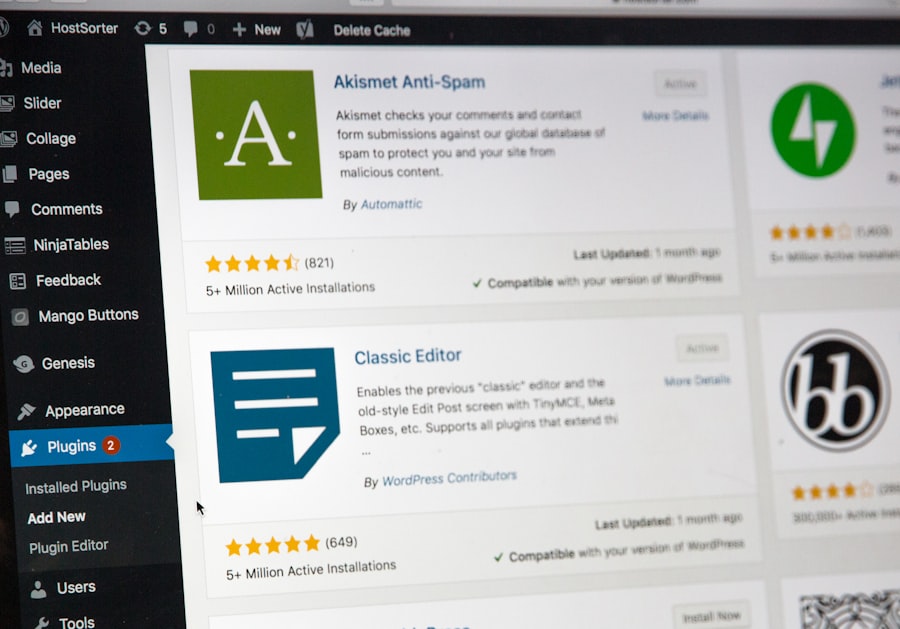
With your domain name, web hosting, and SSL secured, you’re ready to install WordPress. This might sound technical, but most modern web hosts have streamlined the process to be remarkably user-friendly.
One-Click Installation via cPanel
Most shared hosting providers offer a control panel, typically cPanel, which includes a “one-click” installer for WordPress. This is the easiest and most common way to get started.
- Locating the Installer: Log into your hosting account’s cPanel. Look for a section labeled “Software” or “Website Builders.” You’ll often find an icon for “WordPress” or a general auto-installer like “Softaculous Apps Installer.”
- Starting the Installation: Click on the WordPress icon. The installer will guide you through a series of simple questions.
- Choose Installation URL: Select your domain name from the dropdown menu. Ensure you select
https://if your SSL is ready. You typically want to install WordPress directly into the root directory, so leave the “In Directory” field blank. - Site Name and Description: Enter your business name and a brief tagline. You can change these later.
- Admin Username and Password: Crucially, do not use “admin” as your username. Choose a unique, memorable username. Create a strong password using a combination of uppercase and lowercase letters, numbers, and symbols. Store these credentials securely.
- Admin Email: Provide an active email address where you can receive notifications and password reset links.
- Theme Selection (Optional): Some installers offer to install a basic theme for you. You can skip this as you’ll likely want to choose a more specific theme later.
- Completing Installation: Click “Install.” The process usually takes a few minutes. Once complete, you’ll be provided with links to your new website and your WordPress admin dashboard (e.g.,
yourbusinessname.com/wp-admin).
Manual Installation (Advanced – Rarely Needed for Beginners)
While less common for new users, knowing that manual installation is an option is important. It involves downloading the WordPress software from WordPress.org, creating a database on your server, and uploading files via FTP. This process offers more control but is generally only necessary if your host doesn’t offer a one-click installer or if you have specific server configurations. For a new entrepreneur, the one-click method is almost always sufficient and preferred.
Initial WordPress Configuration and Setup
Once WordPress is installed, there are several immediate steps you should take to optimize your site’s foundation and prepare it for content. These aren’t just details; they significantly impact your site’s usability, security, and search engine visibility.
Logging into Your Dashboard
Navigate to your WordPress admin URL (e.g., yourdomain.com/wp-admin) and log in using the username and password you created during installation. This is your central control panel for everything on your website. Take a moment to familiarize yourself with the menu on the left-hand side.
General Settings Review
Go to Settings > General.
- Site Title and Tagline: Verify these are correct. The title is your business name, and the tagline is a short, descriptive phrase about what you do.
- WordPress Address (URL) and Site Address (URL): These should typically be the same and match your domain name, including
https://. Do not change these unless you know precisely what you’re doing, as incorrect changes can break your site. - Administration Email Address: Ensure this is correct.
- Timezone: Set your local timezone for accurate post scheduling and timestamping.
- Language: Set your preferred language.
Permalinks (Crucial for SEO)
Go to Settings > Permalinks. This setting dictates the structure of your website’s URLs.
- Importance: A good permalink structure is vital for Search Engine Optimization (SEO) and user-friendliness. Google prefers descriptive, readable URLs.
- Recommendation: Change the setting from the default “Plain” to “Post name.” This creates clean URLs like
yourdomain.com/sample-post/. Click “Save Changes.”
Deleting Default Content
WordPress comes with some placeholder content you should remove.
- Posts: Go to
Posts > All Posts. Delete the “Hello world!” post. - Pages: Go to
Pages > All Pages. Delete the “Sample Page.” - Comments: Go to
Comments. Delete the default comment.
Setting Up a Static Front Page (Optional but Common)
By default, WordPress displays your latest blog posts on the homepage. For most business websites, you’ll want a static “Home” page that serves as your main landing page.
- Create Pages: Go to
Pages > Add New. Create two new pages: one named “Home” (leave it blank for now) and one named “Blog” (also leave it blank). Publish both. - Set Front Page: Go to
Settings > Reading. - Under “Your homepage displays,” select “A static page.”
- For “Homepage,” choose your newly created “Home” page.
- For “Posts page,” choose your “Blog” page.
- Save Changes: Click “Save Changes.” Now, when visitors go to your domain, they’ll see your “Home” page.
If you’re looking to enhance your WordPress website setup, you might find it beneficial to explore a related article that discusses common pitfalls and solutions for new entrepreneurs. This resource can provide valuable insights and tips to ensure your site runs smoothly. For more information, check out this helpful guide on avoiding blank pages in WordPress by visiting this link.
Choosing and Customizing Your Website’s Look (Themes)
| Section | Metrics |
|---|---|
| Introduction | Overview of WordPress |
| Benefits | Easy to use, customizable, SEO-friendly |
| Requirements | Domain name, hosting, WordPress installation |
| Setup Process | Step-by-step guide, screenshots |
| Customization | Themes, plugins, widgets |
| Content Creation | Pages, posts, media |
| SEO Optimization | Keywords, meta tags, sitemaps |
| Security | Updates, backups, security plugins |
The visual design of your WordPress site is controlled by a “theme.” This is where you start making your website truly your own, reflecting your brand and attracting your target audience.
Understanding WordPress Themes
A theme is a collection of templates and stylesheets that dictate the overall appearance and layout of your website. It controls elements like colors, fonts, headers, footers, and how your content is displayed.
- Free vs. Premium Themes:
- Free Themes: Available in the WordPress theme directory, free themes are a great starting point. Many are high-quality, regularly updated, and offer decent customization options. They’re excellent for budget-conscious entrepreneurs.
- Premium Themes: Purchased from marketplaces (like ThemeForest) or directly from developers, premium themes often come with more features, advanced customization options, dedicated support, and specialized layouts (e.g., for e-commerce, portfolios). They are an investment but can save time and offer a more polished look.
Selecting a Theme: Key Considerations
Don’t just pick the prettiest theme. Think about functionality, performance, and user experience.
- Relevance to Your Business: Does the theme’s design align with your industry and brand aesthetic?
- Responsiveness: Critically important. Your theme must be responsive, meaning it automatically adjusts its layout to look good on all devices (desktops, tablets, mobile phones). Google prioritizes mobile-friendly sites. Most modern themes are responsive by default, but always double-check.
- Speed Optimization: A fast-loading website is crucial for user experience and SEO. Look for themes designed for speed and efficiency. Avoid themes with excessive animations or bloat.
- Customization Options: Does the theme provide enough options to change colors, fonts, layouts, and other visual elements without needing to code? Many themes integrate with page builders (which we’ll discuss) for easy visual editing.
- Reviews and Updates: If considering a free theme, check its rating, user reviews, and last update date in the WordPress directory. For premium themes, look at developer reputation and customer support.
- Compatibility: Ensure the theme is compatible with the latest version of WordPress and popular plugins (like WooCommerce if you plan to sell online).
Installing and Activating Your Theme
- Browse & Install from Dashboard: Go to
Appearance > Themes. Click “Add New.” You can browse the free WordPress.org themes by “Featured,” “Popular,” “Latest,” or use the “Feature Filter” to narrow down your choices (e.g., look for E-commerce, Portfolio, Blog themes). When you find one you like, click “Install” and then “Activate.” - Upload (for Premium Themes): If you purchased a premium theme, you’ll receive a
.zipfile. InAppearance > Themes, click “Add New,” then “Upload Theme.” Browse for your.zipfile, install, and activate.
Basic Theme Customization
Once activated, your theme will typically become accessible via the “Customize” option under Appearance. This is where you can start adjusting its appearance.
- Site Identity: Upload your business logo and favicon (the small icon that appears in browser tabs).
- Colors and Typography: Adjust primary and secondary colors to match your brand, and select appropriate fonts.
- Header and Footer: Customize content and layout for these crucial sections.
- Layout Options: Some themes offer options for sidebar positions, content width, or specific page layouts.
- Widgets: Go to
Appearance > Widgets. You can add content blocks (widgets) to specific areas like sidebars and footers, depending on your theme’s widgetized areas.
Remember, the goal is to create a professional, user-friendly look for your business. Don’t get stuck endlessly tweaking small details. Focus on functionality and clarity first.
FAQs
1. What is WordPress and why is it a popular choice for website setup?
WordPress is a popular content management system (CMS) that allows users to easily create and manage websites without the need for extensive coding knowledge. It offers a wide range of customizable themes and plugins, making it a flexible and user-friendly option for new entrepreneurs.
2. What are the essential steps for setting up a WordPress website?
The essential steps for setting up a WordPress website include choosing a domain name and web hosting, installing WordPress, selecting a theme, customizing the website’s design and layout, adding essential plugins for functionality, and creating and organizing content.
3. What are some important considerations for choosing a domain name and web hosting for a WordPress website?
When choosing a domain name, it’s important to select a name that is relevant to your business and easy to remember. When selecting web hosting, factors to consider include the hosting provider’s reliability, speed, security features, customer support, and scalability for future growth.
4. How can new entrepreneurs customize the design and functionality of their WordPress website?
New entrepreneurs can customize the design and functionality of their WordPress website by selecting a suitable theme that aligns with their brand, customizing the website’s colors, fonts, and layout, and adding plugins for features such as contact forms, social media integration, SEO optimization, and e-commerce capabilities.
5. What are some best practices for creating and organizing content on a WordPress website?
Best practices for creating and organizing content on a WordPress website include creating high-quality, engaging content that resonates with the target audience, optimizing content for search engines, organizing content into categories and tags for easy navigation, and regularly updating and maintaining the website’s content.









Add comment