

You stand at the precipice of a significant investment decision, one that transcends traditional tangible assets and ventures into the captivating realm of digital real estate. This exploration will guide you through the intricate landscape of premium domain names, revealing their potential as highly valuable digital assets. Consider this a comprehensive primer on how to identify, acquire, and strategically leverage these unique online properties to maximize your returns.
Before you commit capital, you must grasp the fundamental principles underpinning the value of a premium domain. Unlike fleeting digital trends, a premium domain offers enduring utility and recognition. It’s not merely an address; it’s a digital anchor, a foundational element of your online identity and a powerful marketing tool.
Defining “Premium” in the Domain Market
The term “premium domain” is not arbitrary; it refers to a specific class of domain names possessing inherent characteristics that elevate their desirability and market value. These characteristics are often quantifiable and contribute directly to a domain’s potential for appreciation.
- Brevity and Memorability: Short, concise domains are intrinsically premium. They are easier to recall, type, and communicate verbally. Think of single-word or two-letter domains.
- Keyword Richness: Domains containing highly searched keywords relevant to a specific industry or product category possess significant value. These domains often benefit from direct navigation and improved search engine visibility.
- Brandability: A premium domain lends itself readily to branding. It evokes a professional image, is easy to pronounces, and has a strong recall value. Many premium domains are inherently brandable, requiring little to no marketing effort to establish their identity.
- Extension Dominance: While newer extensions have emerged, the
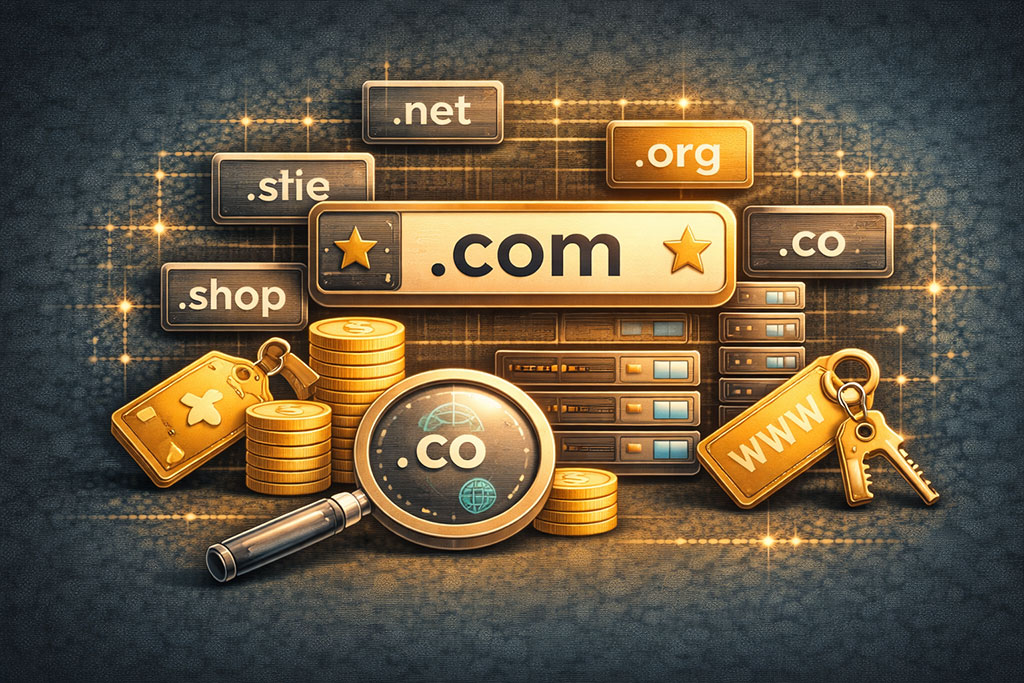
.comextension remains the gold standard. Domains ending in.comcarry an unparalleled level of trustworthiness and global recognition, considerably boosting their premium status. Other legacy country code top-level domains (ccTLDs) or generic top-level domains (gTLDs) can also be premium if they are highly relevant to a specific niche or geography. - Age and History: Older domains, especially those with a clean history (no spam backlinks or blacklisting), often command a higher price. They can sometimes carry established authority with search engines and a degree of inherent trust.
The Scarcity Principle in Digital Real Estate
You might perceive the internet as infinite, yet the availability of truly premium domains is inherently finite. Every unique domain name in a given extension can only exist once. This scarcity, particularly within desirable categories and extensions like .com, drives their value. As the digital landscape expands and more businesses and individuals seek an online presence, the demand for these finite, high-quality domains intensifies, analogous to rare physical commodities. Your acquisition of such a domain becomes an ownership of a piece of digital land that cannot be replicated.
Investing in premium domains as a digital asset strategy can significantly enhance your online presence and brand value. For those looking to complement their domain investments with effective web development, a related article titled “How to Build a One-Page Website in 10 Easy Steps” provides valuable insights. This resource outlines practical steps to create a streamlined and impactful website, which can be particularly beneficial for showcasing your premium domains. You can read the article here: How to Build a One-Page Website in 10 Easy Steps.
Identifying and Acquiring Premium Domains
Your journey into premium domain investment requires a methodical approach to both identification and acquisition. This is not a speculative gamble, but an informed strategic endeavor.
Researching Market Trends and Niche Opportunities
Before making any investment, comprehensive market research is paramount. You must understand the current demand landscape and anticipate future trends.
- Industry Analysis: Identify burgeoning industries, emerging technologies, and growing consumer interests. Domains relevant to these areas are likely to appreciate in value. For instance, domains related to AI, clean energy, or remote work gained significant traction in recent years.
- Keyword Research Tools: Utilize tools like Google Keyword Planner, Ahrefs, or Semrush to ascertain search volume and competition for specific keywords relevant to potential domain acquisitions. High search volume coupled with commercial intent indicates strong potential.
- Domain Sales Data: Analyze historical domain sales data from platforms like NameBio or DNJournal. This offers insights into past valuations and current market sentiment for different domain types and extensions. You are looking for patterns and indicators of value.
- Hypothesis Testing: Based on your research, formulate hypotheses about what types of domains will be valuable in the future. For example, “Domains related to ‘metaverse gaming’ will see substantial growth in the next five years.”
Sourcing Premium Domains: Primary and Secondary Markets
Once you have a clear understanding of your target domain characteristics, you can begin the process of acquisition. The domain market operates through various channels, each with its own advantages and disadvantages.
- Domain Marketplaces: Platforms such as Afternic, Sedo, Flippa, and GoDaddy Auctions are primary venues for buying and selling premium domains. These marketplaces offer a wide selection, often categorized and searchable by various criteria.
- Domain Brokers: For high-value domains, engaging a professional domain broker can be invaluable. Brokers possess extensive networks, market knowledge, and negotiation expertise. They can discreetly source domains that may not be publicly listed and facilitate complex transactions.
- Direct Outreach (Cold Acquisition): If a desirable domain is actively registered but not explicitly for sale, you can attempt to contact the current owner directly. This often involves researching the WHOIS information and initiating a polite, professional inquiry. This method requires patience and negotiation skills.
- Expired Domain Auctions: Periodically, domains fail to be renewed by their owners and enter an auction phase. While many expired domains are of low quality, some gems can be found, particularly those with established backlink profiles or brand recognition. Platforms like NameJet or SnapNames specialize in expired domain backordering and auctions.
Due Diligence: Mitigating Risk
Before finalizing any purchase, thorough due diligence is non-negotiable. You are acquiring a digital asset, and like any other asset, its history and legal standing must be scrutinized.
- WHOIS Lookup: Verify the current registrant, registration date, and expiration date. Ensure the information is consistent and legitimate.
- Trademark Infringement Check: Crucially, confirm that the domain does not infringe on any existing trademarks. A trademark dispute can lead to the loss of your acquired domain and potential legal liabilities. Utilize trademark databases (e.g., USPTO database) for this purpose.
- Blacklisting/Spam History: Check if the domain has a history of being used for spam, phishing, or other malicious activities. Tools like Google Safe Browsing or various domain reputation checkers can assist. A “clean” history ensures immediate usability and avoids potential penalties from search engines.
- Backlink Profile Review: While not always critical for every premium domain, understanding the backlink profile (using tools like Ahrefs or Moz) can provide insights into a domain’s past authority and potential SEO benefits, particularly for older domains.
- Seller Verification: Ensure the seller is legitimate and has the authority to transfer the domain. For high-value transactions, consider using an escrow service to safeguard funds until the domain transfer is complete.
Strategies for Maximizing Returns

Acquiring a premium domain is merely the first step. To truly maximize your returns, you must strategically manage and leverage your digital assets.
Developing and Monetizing Your Domain Portfolio
A premium domain is often most valuable when actively developed or strategically utilized. Simply holding a domain indefinitely without a clear plan can limit its potential.
- Website Development: The most direct way to monetize a premium domain is to develop a website on it. This could be an e-commerce store, a content platform, a lead generation site, or a corporate portal. The premium domain provides an instant veneer of credibility and professionalism, attracting visitors and customers more readily.
- Lead Generation/Affiliate Marketing: For highly relevant, keyword-rich domains, you can create a lean website focused on generating leads for businesses in that niche or directing traffic to affiliate offers. The strong brandability and memorability of the domain can significantly boost conversion rates.
- Domain Parking with Ads: As a short-term strategy, you can “park” your domain with a service that displays contextual advertisements. While this generates modest income, it keeps the domain active and provides a minimal return while you strategize its full development. This is more of a placeholder than a maximization strategy.
- Building a Strategic Brand: For exceptionally brandable domains, you are not just acquiring a website address, but the foundation for an entire brand. The domain name itself becomes the cornerstone of your business identity, influencing marketing, product naming, and overall market positioning.
- Domain Lease or Rent: In some cases, businesses may be interested in leasing a premium domain from you. This can generate recurring passive income without the commitment of selling the asset. This is particularly attractive for domains that are highly useful for specific short-term campaigns.
Exit Strategies: Selling for Profit
Understanding when and how to exit your investment is as crucial as the initial acquisition. A well-executed exit strategy ensures you capitalize on the appreciation of your domain.
- Direct Sale to an End-User: The most profitable exit often involves selling directly to a business or individual who needs that specific domain for their operations. These “end-users” are typically willing to pay a premium because the domain offers immediate, tangible value to their growth.
- Listing on Marketplaces: Re-listing your domain on major marketplaces (Afternic, Sedo, etc.) allows you to reach a broad audience of potential buyers, including both end-users and other investors. Ensure your listing includes a compelling description highlighting the domain’s unique value propositions.
- Utilizing Domain Brokers for High-Value Sales: For domains that have appreciated significantly or demand specialized buyers, a domain broker can orchestrate the sale. Their expertise in valuation, negotiation, and confidential outreach can secure a higher selling price than a direct listing.
- Portfolio Liquidation: If you’ve accumulated a large portfolio, you might consider selling multiple domains as a package deal or liquidating a portion of your holdings to rebalance your investments.
- Timing the Market: While predicting market tops is challenging, observe general trends in domain sales. Selling when a particular industry is booming or when related keywords are highly sought after can yield higher returns. Conversely, avoid distressed sales unless absolutely necessary.
Protecting Your Digital Assets
Your premium domains are valuable assets, and like any other asset, they require diligent protection. Neglecting security measures can result in loss or compromise, undermining your investment.
- Two-Factor Authentication (2FA): Implement 2FA on all your domain registrar accounts. This adds an extra layer of security, making it significantly harder for unauthorized individuals to gain access.
- Strong, Unique Passwords: Use complex and unique passwords for every registrar account. Avoid reusing passwords across different services. A password manager can assist in this regard.
- Registrar Lock: Ensure your domains are placed under a “registrar lock.” This prevents unauthorized transfers of your domain to another registrar without your explicit permission, typically requiring you to manually unlock it.
- Private Registration: While it limits transparency, private registration can prevent your personal contact information from being easily accessible via WHOIS, reducing the risk of unsolicited approaches or targeted attacks. This must be weighed against its potential impact on transparency if you are actively trying to sell the domain.
- Regular Backups (for developed sites): If you develop websites on your premium domains, regularly back up your site data. This safeguards your content and functionality against unexpected technical failures or cyberattacks.
- Beware of Phishing Scams: Remain vigilant against phishing emails that attempt to trick you into revealing your login credentials. Always verify the authenticity of communication related to your domain registrations.
By diligently applying these strategies, you can transform your premium domain acquisitions from mere digital addresses into a robust and appreciating portfolio of digital assets, delivering substantial returns on your investment. Remember, strategic thinking, informed decisions, and continuous vigilance are your greatest allies in this dynamic digital landscape.
FAQs
What are premium domains?
Premium domains are high-quality, memorable, and often short domain names that are considered valuable due to their brandability, keyword relevance, and market demand. They typically have a higher price compared to regular domain names.
Why invest in premium domains as a digital asset?
Investing in premium domains can provide long-term value as digital assets because they can enhance brand recognition, improve search engine rankings, and potentially appreciate in value over time. They can also be leased or sold for profit.
How do premium domains differ from regular domain names?
Premium domains are usually shorter, easier to remember, and contain popular keywords or brandable terms. Regular domain names may be longer, less memorable, and have less commercial appeal, making premium domains more desirable for businesses and investors.
What factors influence the value of a premium domain?
The value of a premium domain is influenced by factors such as length, keyword popularity, domain extension (.com is typically most valuable), brandability, market trends, and historical sales data of similar domains.
Are there risks associated with investing in premium domains?
Yes, risks include market volatility, the potential for domains to lose value, legal issues related to trademarks, and the cost of holding and maintaining the domain. Proper research and due diligence are essential before investing.









Add comment