

You may have noticed the padlock symbol in your browser’s address bar, a subtle but critical indicator of security. This tiny icon signifies that a website is using an SSL/TLS certificate, a digital certificate that authenticates the identity of a website and encrypts information sent to the server using SSL/TLS technology. While the padlock itself is a universal symbol, the underlying certificate can vary significantly in its validation level. Understanding these distinctions is crucial for anyone involved in website management, online transactions, or simply discerning the trustworthiness of a digital entity. This article will delve into the three primary types of SSL certificates: Domain Validated (DV), Organization Validated (OV), and Extended Validation (EV), exploring their characteristics, use cases, and implications for security and trust.
Before dissecting the different validation levels, it’s essential to grasp the fundamental role of an SSL/TLS certificate. Imagine you’re sending a confidential letter. An SSL certificate acts as a secure, tamper-proof envelope for your digital communications, ensuring that only the intended recipient can read its contents. Beyond encryption, it also verifies the identity of the recipient, preventing malicious actors from impersonating legitimate websites.
The Cryptographic Handshake
When your browser connects to a website protected by an SSL certificate, a complex series of steps, known as the “SSL handshake,” occurs.
- Server Hello: The website’s server sends a “hello” message, presenting its SSL certificate.
- Certificate Verification: Your browser scrutinizes the certificate, checking its validity, expiry date, and whether it has been issued by a trusted Certificate Authority (CA). Think of a CA as a digital notary public, vouching for the legitimacy of the certificate and, by extension, the website.
- Key Exchange: If the certificate is deemed trustworthy, your browser and the server exchange cryptographic keys, establishing a secure, encrypted communication channel.
- Encrypted Communication: All subsequent data exchanged between your browser and the website is encrypted, making it unreadable to anyone intercepting the communication.
This intricate dance happens in milliseconds, often unnoticed by you, but it forms the bedrock of secure online interactions. Without it, sensitive data like login credentials, credit card numbers, and personal information would be vulnerable to interception and misuse.
In addition to understanding the differences between DV, OV, and EV SSL certificates, it’s also essential to consider how website performance can impact user trust and security perceptions. For insights on enhancing your website’s loading speed and improving user experience, you can check out this informative article on optimizing your website: How to Optimize Your Website’s Loading Speed and Improve User Experience. This resource provides valuable tips that can complement your SSL certificate knowledge by ensuring that your site not only secures data but also delivers a seamless experience for visitors.
Decoding Domain Validated (DV) Certificates
The simplest and most common type of SSL certificate you’ll encounter is the Domain Validated (DV) certificate. Its primary function is to prove that you, as the certificate applicant, have control over the domain name for which you’re requesting the certificate.
Validation Process: A Quick Confirmation
The validation process for a DV certificate is remarkably straightforward. It usually involves one of the following methods:
- Email Validation: The CA sends an email to an administrative email address associated with the domain (e.g., admin@yourdomain.com, webmaster@yourdomain.com). You must respond to this email to confirm your control.
- DNS Record Validation: You create a specific DNS record (e.g., a CNAME or TXT record) on your domain’s DNS server, which the CA then verifies. This demonstrates your authority over the domain’s configuration.
- File-Based Validation: You upload a specific file provided by the CA to a designated directory on your web server. The CA accesses this file to confirm domain ownership.
The advantage of this streamlined process is its speed. DV certificates can often be issued within minutes, making them an attractive option for personal blogs, small websites, and development environments where immediate encryption is paramount.
Use Cases and Limitations
DV certificates are ideal for:
- Personal Websites and Blogs: Where the primary concern is encrypting traffic and establishing basic trust.
- Informational Websites: Sites that don’t collect sensitive user data.
- Internal Company Portals: For encrypting traffic within an organization.
- Development and Staging Environments: Where quick setup and basic encryption are needed without the overhead of more rigorous validation.
However, it’s crucial to understand the limitations of DV certificates. While they provide strong encryption, they offer no assurance about the organization operating the website. A malicious actor could theoretically obtain a DV certificate for a phishing domain, making it appear secure to an unsuspecting user even though the underlying entity is fraudulent. The padlock symbol will be present, but it will only confirm domain control, not organizational legitimacy. Think of it like a locked door on an unmarked building; you know the door is secure, but you don’t know who or what is inside.
Unveiling Organization Validated (OV) Certificates
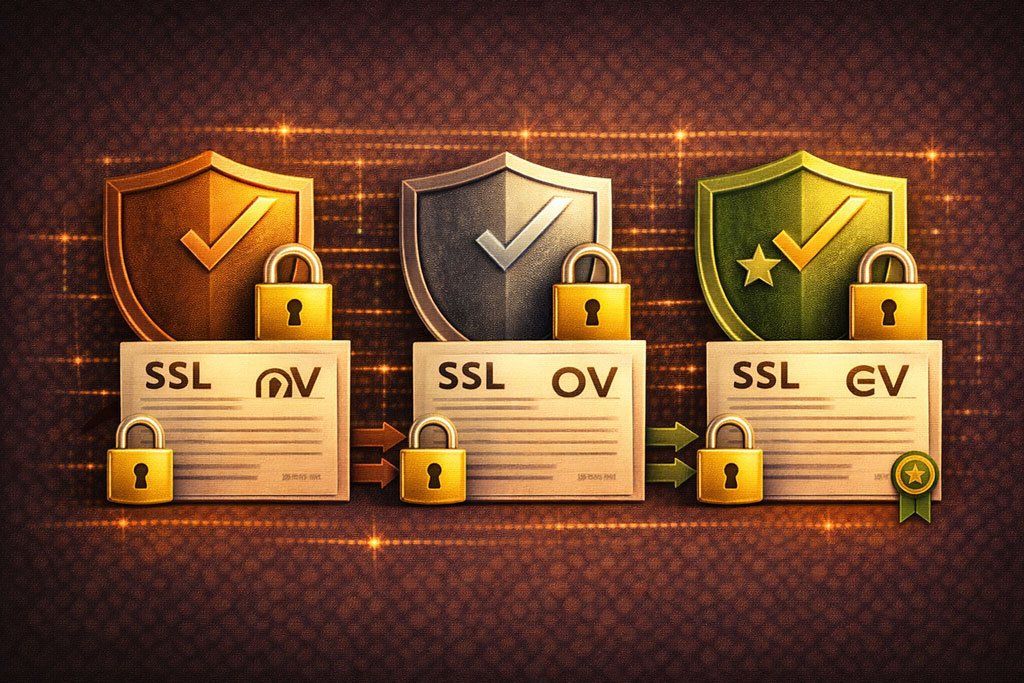
Stepping up in terms of trust and validation, Organization Validated (OV) certificates offer a greater degree of assurance than their DV counterparts. Beyond verifying domain control, OV certificates require the Certificate Authority to conduct a more thorough investigation into the legitimate existence of the organization requesting the certificate.
The Deeper Dive in Validation
The validation process for an OV certificate involves several layers of scrutiny:
- Domain Validation: Just like with DV certificates, the CA first verifies that the applicant controls the domain name.
- Organization Information Verification: The CA checks official records to confirm the legal existence of the organization. This typically involves consulting government databases, business registries, and other publicly available information.
- Physical Address and Telephone Number Verification: The CA may verify the physical address and telephone number associated with the organization, often through a phone call to a publicly listed number.
- Applicant Verification: The CA verifies that the individual requesting the certificate is indeed authorized to act on behalf of the organization.
This comprehensive process ensures that the organization named on the certificate is a legitimate, legally registered entity. It adds a layer of accountability that is absent in DV certificates.
Identifying OV Certificates
When you visit a website secured with an OV certificate, you’ll still see the padlock symbol. However, if you click on the padlock or view the certificate details, you’ll find information about the organization that owns the website. This information typically includes the organization’s legal name and location. For example, you might see “Issued to: Example Corporation, Inc. [US].”
Where OV Certificates Shine
OV certificates are well-suited for:
- E-commerce Websites: While EV is generally preferred for e-commerce, OV provides sufficient assurance for many online retailers, demonstrating a commitment to security and legitimacy.
- Corporate Websites: For businesses that want to reassure their visitors of their authenticity and professionalism.
- Government Websites: To establish trust and credibility for official online services.
- Intranets and Extranets: For securing internal and external organizational communications with enhanced trust.
While OV certificates don’t reach the pinnacle of visual trust provided by EV, they strike a balance between increased validation and cost-effectiveness, making them a popular choice for many businesses and organizations seeking to build greater confidence with their users.
The Pinnacle of Trust: Extended Validation (EV) Certificates
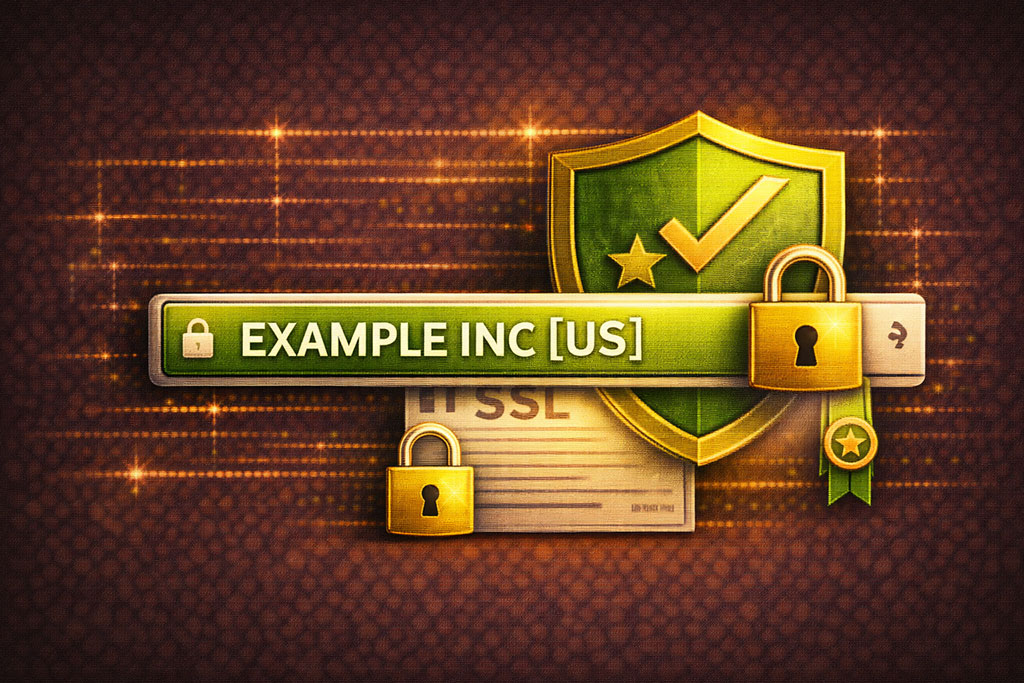
Extended Validation (EV) certificates represent the highest level of assurance available for SSL/TLS certificates. They involve the most rigorous validation process, designed to provide the utmost confidence in the identity of the website operator. EV certificates are the digital equivalent of a gilded crest on a royal decree, unmistakable in their authenticity.
The Gold Standard of Validation
The validation process for an EV certificate is meticulously detailed and adheres to strict guidelines established by the CA/Browser Forum (a voluntary consortium of Certificate Authorities and browser vendors). This process includes:
- All OV Requirements: Naturally, all the verification steps involved in an OV certificate (domain control, organizational legal existence, physical address, and telephone verification) are meticulously performed.
- Verification of Operational Existence: The CA verifies that the organization has been operationally active for a certain period (typically three years, though this can vary based on documentation).
- Jurisdictional Legal Presence: The CA confirms that the organization is legally registered and domiciled in its stated jurisdiction.
- Authorization for Certificate Request: A high level of scrutiny is applied to ensure that the individual requesting the certificate is fully authorized by the organization to do so, often requiring notarized documents or formal corporate resolutions.
- Independent Third-Party Verification: In some cases, the CA may use independent third-party sources to corroborate information, further bolstering the verification.
This extensive process leaves little room for doubt regarding the legitimacy of the certificate holder, making it significantly harder for malicious entities to obtain an EV certificate.
The Green Address Bar: A Beacon of Trust
The most distinctive characteristic of an EV certificate is its visual indicator in web browsers. Historically, EV certificates triggered the display of a prominent green address bar, showing the organization’s legal name directly in the browser’s security indicator area, alongside the padlock. Browsers like Google Chrome and Mozilla Firefox have evolved their UI, and while the green bar is less common now, you will still see the organization’s name prominently displayed next to the padlock when you click on it, clearly identifying the owner of the website. This immediate visual cue serves as a powerful reassurance to users that they are interacting with a verified and trustworthy entity.
Essential for High-Stakes Interactions
EV certificates are indispensable for:
- Financial Institutions: Banks, credit unions, and investment firms rely on EV to instill maximum confidence in their online services, preventing phishing attacks.
- E-commerce Giants: Large online retailers conducting high-value transactions often opt for EV to minimize consumer hesitation and build strong brand trust.
- Healthcare Providers: For websites handling sensitive medical data, EV certificates are crucial for demonstrating adherence to security and privacy regulations.
- Government Portals with Sensitive Data: Services that require users to submit highly personal information benefit immensely from the enhanced trust provided by EV.
- Any Website Handling Extremely Sensitive Information: Where the highest level of user trust and fraud prevention is critical.
The investment in an EV certificate is often justified by the mitigation of reputational damage, the reduction in phishing attempts, and the increased conversion rates that can result from heightened user confidence.
When exploring the nuances of SSL certificates, it’s also beneficial to consider how website performance can impact user experience and security. For instance, optimizing your website can enhance loading times and improve overall functionality, which is crucial for maintaining a secure online presence. To delve deeper into this topic, you can read about effective strategies in this article on website optimization tips for 2023. Understanding both SSL certificates and website performance will help you create a safer and more efficient online environment.
Considerations When Choosing an SSL Certificate
<?xml encoding=”UTF-8″>
| Certificate Type | Validation Level | Validation Process | Information Displayed in Browser | Typical Use Case | Issuance Time | Cost Range |
|---|---|---|---|---|---|---|
| Domain Validation (DV) | Basic | Verifies domain ownership via email or DNS record | Padlock icon only | Personal websites, blogs, small businesses | Minutes to a few hours | Low |
| Organization Validation (OV) | Moderate | Verifies domain ownership and organization identity through business registry checks | Padlock icon + organization name in certificate details | Business websites, e-commerce, professional services | 1-3 days | Medium |
| Extended Validation (EV) | High | Thorough verification of legal entity, physical address, and operational existence | Padlock icon + organization name prominently displayed in address bar | Financial institutions, large enterprises, high-security sites | 3-7 days | High |
The decision of which SSL certificate type to deploy isn’t always straightforward. It involves weighing several factors, including your website’s purpose, the data you handle, your budget, and the level of trust you wish to convey to your audience.
Cost vs. Assurance
- DV Certificates: These are generally the most affordable, with many CAs offering them for free (e.g., Let’s Encrypt). The low cost reflects the minimal validation effort involved.
- OV Certificates: OV certificates fall in the mid-range in terms of cost, reflecting the increased validation procedures.
- EV Certificates: These are the most expensive due to the exhaustive validation process and the premium trust indicators they provide.
You must consider your budget against the level of assurance required. While a free DV certificate might suit a personal blog, it would be irresponsible for a major bank.
User Perception and Trust
The type of certificate you choose directly impacts how users perceive your website’s trustworthiness.
- DV: “Ok, this site is encrypted, but who is behind it?”
- OV: “This site is encrypted, and I can see the name of the organization behind it.”
- EV: “This site is encrypted, and the organization has been thoroughly vetted and verified. I can trust them with sensitive information.”
For businesses, conveying trust is paramount. A higher validation level can translate into increased user confidence, potentially leading to better conversion rates and reduced abandonment of sensitive forms.
Compliance and Industry Standards
Certain industries or regulatory requirements may mandate specific types of SSL certificates. For instance, payment card industry (PCI DSS) compliance, while not explicitly requiring EV, often benefits from the enhanced security and trust it provides. Financial regulations might also implicitly or explicitly favor higher validation levels for online services. Always review any industry-specific compliance requirements that might dictate your choice.
Issuer Reputation and Support
While the validation level is key, also consider the Certificate Authority (CA) issuing the certificate. Different CAs have varying reputations, customer support quality, and feature sets. A reputable CA will have a strong track record, robust infrastructure, and responsive support, which can be invaluable if you encounter any issues during the certificate lifecycle.
When exploring the various types of SSL certificates, it’s essential to understand how they can impact your website’s security and trustworthiness. A related article that delves into enhancing your website’s performance is available at Boost Your Business with Faster NVMe Storage, which discusses the benefits of using NVMe storage solutions to improve loading times and overall user experience. By combining the right SSL certificate with optimized storage, you can significantly enhance your site’s reliability and speed.
The Evolving Landscape of SSL/TLS and Future Outlook
The internet security landscape is constantly evolving, and SSL/TLS certificates are no exception. Browsers are continuously refining how they display security information, pushing for greater transparency and user awareness. The trend is towards simplifying visual indicators while maintaining robust underlying security.
Future developments may include even more emphasis on Certificate Transparency logs, which provide a public record of all issued certificates, making it harder for malicious actors to hide fraudulent certificates. We might also see continued innovation in certificate automation and management, easing the burden on website administrators.
Regardless of these advancements, the core principles of SSL/TLS – encryption and authentication – will remain fundamental. Your understanding of DV, OV, and EV certificates equips you to make informed decisions about your website’s security posture, ensuring that you’re not just encrypting data, but also diligently building and conveying trust to your online audience. By choosing the right certificate, you’re not just securing data; you’re building a reliable and trustworthy digital presence.
FAQs
What are the main types of SSL certificates?
There are three main types of SSL certificates: Domain Validation (DV), Organization Validation (OV), and Extended Validation (EV). Each type offers different levels of validation and trust.
How does a Domain Validation (DV) SSL certificate work?
A DV SSL certificate verifies that the applicant owns the domain name. It involves a simple validation process, usually via email or DNS record, and is typically issued quickly. It provides basic encryption but minimal identity assurance.
What distinguishes an Organization Validation (OV) SSL certificate from a DV certificate?
An OV SSL certificate requires verification of the organization’s identity in addition to domain ownership. This involves checking official business records, providing higher trust to users by confirming the legitimacy of the organization behind the website.
What is unique about Extended Validation (EV) SSL certificates?
EV SSL certificates involve the most rigorous validation process, including thorough checks of the organization’s legal, physical, and operational existence. Websites with EV certificates often display a green address bar or the organization’s name in the browser, signaling the highest level of trust.
Which SSL certificate type should a business choose?
The choice depends on the level of trust and assurance needed. DV certificates are suitable for personal websites or blogs, OV certificates are ideal for businesses seeking moderate trust, and EV certificates are recommended for e-commerce sites or organizations handling sensitive data requiring maximum user confidence.







Add comment