

In our increasingly digital world, the need for robust security measures has never been more critical. Two-Factor Authentication (2FA) stands out as a vital tool in safeguarding our online accounts. At its core, 2FA is a security process that requires two different forms of identification before granting access to an account.
This dual-layered approach significantly enhances security by ensuring that even if one factor, such as a password, is compromised, unauthorized access remains unlikely. By requiring a second form of verification, we create a formidable barrier against potential intruders. The concept of 2FA is not new; it has been around for years, yet its importance has surged in recent times due to the increasing frequency of cyberattacks.
As we navigate through various online platforms, from social media to banking, we must recognize that our personal information is often at risk. By implementing two-factor authentication, we take a proactive step in protecting our sensitive data. This method not only fortifies our accounts but also instills a sense of confidence in our online interactions.
Key Takeaways
- Two-factor authentication (2FA) adds an extra security layer by requiring two forms of verification to access hosting accounts.
- Implementing 2FA significantly reduces the risk of unauthorized access and enhances overall account security.
- Common 2FA methods include SMS codes, authenticator apps, and hardware tokens, each with varying levels of security and convenience.
- Best practices for 2FA involve regularly updating authentication methods and educating users to avoid common misconceptions.
- Compliance regulations increasingly mandate 2FA, making it essential for hosting platforms to adopt and support diverse authentication options.
The Importance of Two-Factor Authentication for Hosting Accounts
When it comes to hosting accounts, the stakes are particularly high. These accounts often contain critical data, including website files, databases, and sensitive customer information. The implications of a security breach can be devastating, leading to financial loss, reputational damage, and legal repercussions.
Therefore, the importance of two-factor authentication in this context cannot be overstated. By adding an extra layer of security, we significantly reduce the risk of unauthorized access to our hosting accounts. Moreover, many hosting providers are now recognizing the necessity of 2FA and are incorporating it into their security protocols.
This shift reflects a broader understanding of the threats that exist in the digital landscape. As we manage our hosting accounts, we must prioritize the implementation of two-factor authentication to protect not only our assets but also the trust of our clients and users. In an era where data breaches are commonplace, adopting 2FA is not just a recommendation; it is an essential practice for anyone serious about online security.
How Two-Factor Authentication Works
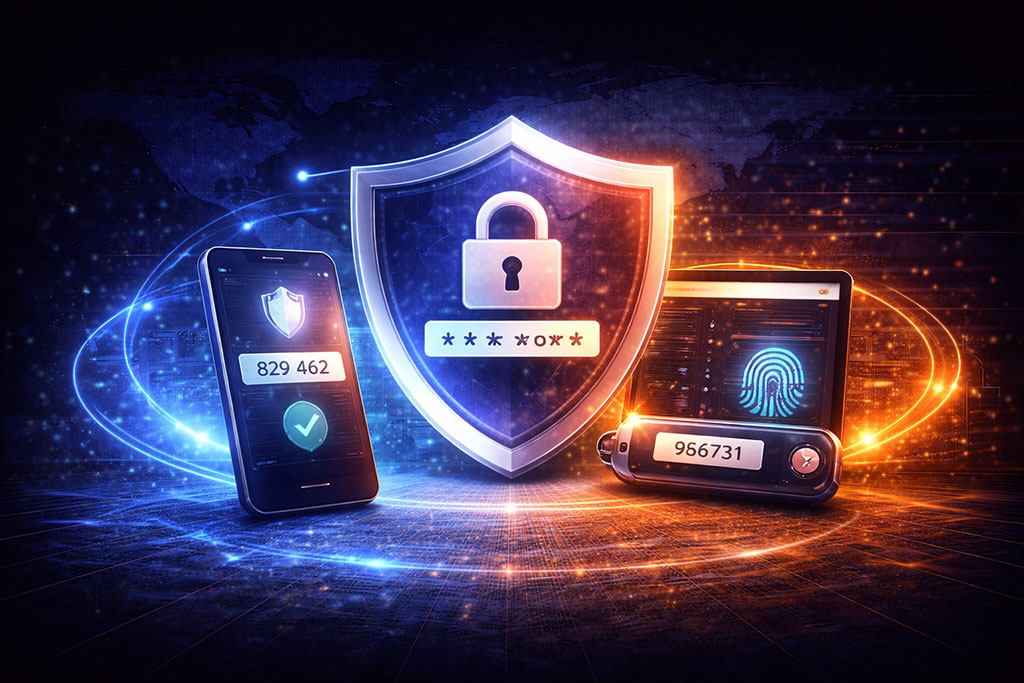
Understanding how two-factor authentication works is crucial for us to appreciate its effectiveness. The process typically involves two distinct steps: something we know and something we have. The first step usually requires us to enter our password, which is the first layer of security.
The second step then prompts us for a second form of verification, which could be a code sent to our mobile device or generated by an authentication app. This combination ensures that even if someone manages to steal our password, they would still need access to our second factor to gain entry. The mechanics behind 2FA can vary depending on the method used.
For instance, some systems utilize SMS messages to send a one-time code to our registered phone number. Others may employ authenticator apps that generate time-sensitive codes or even biometric data like fingerprints or facial recognition. Regardless of the method chosen, the underlying principle remains the same: by requiring two forms of identification, we significantly enhance the security of our accounts and make it much more challenging for unauthorized users to gain access.
Setting Up Two-Factor Authentication for Hosting Accounts
Setting up two-factor authentication for our hosting accounts is a straightforward process that can yield significant security benefits. Most hosting providers offer clear instructions on how to enable 2FA within their platforms. Typically, we begin by logging into our account settings and locating the security section.
From there, we can find the option to enable two-factor authentication and select our preferred method of verification. Once we choose a method—be it SMS codes or an authenticator app—we will usually be prompted to link our phone number or scan a QR code with the app. After completing these steps, we may receive a verification code to confirm that everything is functioning correctly.
It’s essential to keep backup codes provided during this setup process in a secure location; these codes can be lifesavers if we ever lose access to our primary verification method. By taking these steps, we can significantly bolster the security of our hosting accounts.
Types of Two-Factor Authentication Methods
| Metric | Description | Typical Value | Impact on Security |
|---|---|---|---|
| Authentication Factors | Number of credentials required to access the account | 2 (Password + One-time code) | Significantly reduces risk of unauthorized access |
| Setup Time | Time required to enable 2FA on hosting account | 5-10 minutes | Minimal inconvenience for enhanced security |
| Common 2FA Methods | Types of second factors used | Authenticator apps, SMS codes, Hardware tokens | Varies in security; authenticator apps preferred |
| Reduction in Account Takeover | Decrease in successful unauthorized logins | Up to 99.9% | Drastically lowers risk of hacking |
| User Adoption Rate | Percentage of users enabling 2FA | Varies widely; often 20-50% | Higher adoption improves overall security |
| Recovery Options | Methods to regain access if 2FA device is lost | Backup codes, email verification | Essential to prevent lockout |
There are several methods available for implementing two-factor authentication, each with its own advantages and disadvantages. One common method is SMS-based authentication, where a one-time code is sent via text message to our registered phone number. While this method is easy to use and widely supported, it is not without its vulnerabilities; SMS messages can be intercepted or redirected by savvy attackers.
Another popular option is the use of authenticator apps like Google Authenticator or Authy. These apps generate time-sensitive codes that are more secure than SMS messages since they do not rely on cellular networks. Additionally, some platforms offer hardware tokens—physical devices that generate codes or connect directly to our computers—providing an extra layer of security that is difficult for attackers to replicate.
As we consider which method to use for our hosting accounts, it’s essential to weigh the pros and cons of each option and choose one that aligns with our security needs.
Benefits of Two-Factor Authentication for Hosting Accounts
The benefits of implementing two-factor authentication for our hosting accounts are manifold. First and foremost, 2FA significantly reduces the risk of unauthorized access. With cyber threats becoming increasingly sophisticated, relying solely on passwords is no longer sufficient.
By adding a second layer of verification, we create a formidable barrier against potential breaches. Furthermore, two-factor authentication can enhance our overall peace of mind. Knowing that we have taken proactive steps to secure our accounts allows us to focus on other aspects of our online presence without constantly worrying about potential threats.
Additionally, many hosting providers now offer incentives for enabling 2FA, such as discounts or enhanced support services. By adopting this security measure, we not only protect ourselves but may also benefit from improved service offerings.
Common Misconceptions about Two-Factor Authentication
Despite its growing popularity, there are still several misconceptions surrounding two-factor authentication that can hinder its adoption. One common myth is that 2FA is overly complicated and time-consuming. While it may require an extra step during login, most users find that the process becomes second nature after just a few uses.
The added security far outweighs any minor inconvenience. Another misconception is that two-factor authentication guarantees complete security. While 2FA significantly enhances account protection, it is not infallible.
Cybercriminals are continually evolving their tactics, and no system can be entirely immune to attacks. However, by implementing 2FA alongside other security measures—such as strong passwords and regular software updates—we can create a more comprehensive defense against potential threats.
Best Practices for Implementing Two-Factor Authentication
To maximize the effectiveness of two-factor authentication for our hosting accounts, we should adhere to several best practices. First and foremost, we must choose a strong primary password that is unique and complex enough to resist brute-force attacks. This foundational step is crucial because even the best 2FA cannot compensate for weak password practices.
Additionally, we should regularly review and update our security settings and backup codes. Keeping track of which devices have access to our accounts and ensuring they are secure can further enhance our protection. It’s also wise to educate ourselves about phishing attacks and other social engineering tactics that could compromise our 2FA methods.
By staying informed and vigilant, we can ensure that our two-factor authentication remains an effective line of defense.
Two-Factor Authentication and Compliance Regulations
As businesses increasingly rely on digital platforms for operations, compliance with various regulations has become paramount. Many industries are subject to strict data protection laws that mandate robust security measures for sensitive information. Two-factor authentication often plays a critical role in meeting these compliance requirements.
For instance, regulations such as GDPR in Europe and HIPAA in the United States emphasize the importance of safeguarding personal data through appropriate security measures. By implementing 2FA in our hosting accounts, we not only enhance security but also demonstrate compliance with these regulations. This proactive approach can help us avoid potential fines and legal issues while building trust with clients who expect their data to be handled securely.
Two-Factor Authentication for Different Hosting Platforms
Different hosting platforms may offer varying levels of support for two-factor authentication, making it essential for us to understand how each platform implements this feature. Major providers like Bluehost, SiteGround, and HostGator typically provide straightforward options for enabling 2FA within their account settings. However, some smaller or less popular hosting services may not yet support two-factor authentication at all.
In such cases, we must weigh the risks associated with using these platforms against their benefits. If security is a top priority for us—especially if we handle sensitive data—we may want to consider switching to a provider that offers robust 2FA options.
Future of Two-Factor Authentication for Hosting Accounts
As technology continues to evolve, so too will the methods and practices surrounding two-factor authentication. We can expect advancements in biometric verification methods—such as facial recognition or fingerprint scanning—to become more prevalent in securing hosting accounts in the future. These technologies promise enhanced convenience while maintaining high levels of security.
Moreover, as cyber threats become increasingly sophisticated, we may see new forms of two-factor authentication emerge that leverage artificial intelligence and machine learning to detect anomalies in user behavior and provide real-time alerts for suspicious activity. As we look ahead, it’s clear that two-factor authentication will remain a cornerstone of online security strategies for hosting accounts and beyond. In conclusion, as we navigate the complexities of digital security in an ever-evolving landscape, embracing two-factor authentication is not just advisable; it is essential for protecting our online assets and maintaining trust with those who rely on us.
FAQs
What is Two-Factor Authentication (2FA)?
Two-Factor Authentication (2FA) is a security process that requires users to provide two different forms of identification before accessing an account. Typically, this involves something you know (like a password) and something you have (like a smartphone app or a hardware token).
Why is 2FA important for hosting accounts?
2FA adds an extra layer of security to hosting accounts by making it much harder for unauthorized users to gain access. Even if a password is compromised, the attacker would still need the second factor to log in, significantly reducing the risk of account breaches.
How does 2FA work with hosting accounts?
When logging into a hosting account with 2FA enabled, after entering the password, the user is prompted to provide a second form of verification. This could be a code generated by an authenticator app, a text message (SMS) code, or a hardware token.
What types of 2FA methods are commonly used?
Common 2FA methods include authenticator apps (like Google Authenticator or Authy), SMS-based codes sent to a mobile phone, email verification codes, and hardware tokens such as YubiKey.
Can 2FA prevent all types of hacking attempts?
While 2FA significantly improves account security, it does not guarantee complete protection. Sophisticated attacks like phishing or SIM swapping can sometimes bypass 2FA, but it remains one of the most effective security measures available.
Is 2FA difficult to set up on hosting accounts?
Most hosting providers offer straightforward instructions to enable 2FA. The setup process usually involves linking an authenticator app or providing a phone number for SMS codes, which typically takes only a few minutes.
What should I do if I lose access to my 2FA device?
It is important to keep backup codes provided during 2FA setup in a secure place. If you lose access to your 2FA device, these backup codes can help you regain access to your hosting account. Alternatively, contacting your hosting provider’s support team is recommended.
Does 2FA affect the login experience?
2FA adds an extra step to the login process, but it is generally quick and easy. The slight increase in login time is outweighed by the enhanced security it provides.
Are there any costs associated with using 2FA?
Most hosting providers offer 2FA as a free security feature. However, some hardware tokens or premium authentication services may involve additional costs.
Can 2FA be used on all types of hosting accounts?
Most modern hosting services support 2FA for various account types, including shared hosting, VPS, and dedicated servers. It is advisable to check with your hosting provider to confirm availability.







Add comment